

Top Landscaping Questions Lubbock Homeowners Are Asking (Answered by Local Experts)
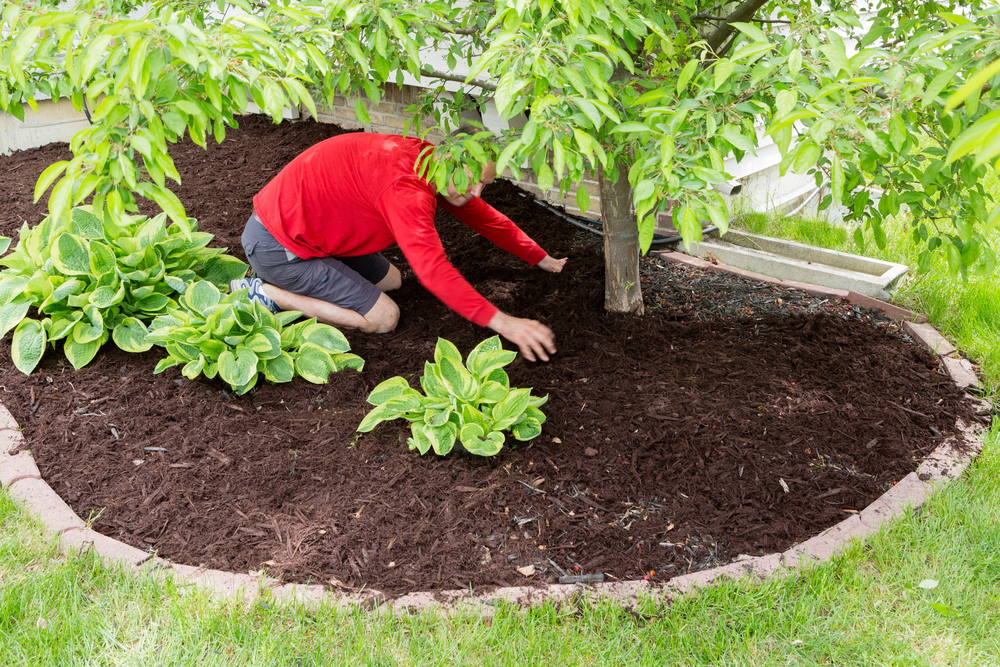
Landscaping in Lubbock, TX presents its own set of challenges and opportunities. The unique desert climate, seasonal variations, and water limitations require a tailored approach. Local homeowners are increasingly asking smart questions to ensure their outdoor spaces thrive year-round. Below, we’ve compiled expert answers to the most common landscaping questions heard across the Lubbock area. Whether you’re new to gardening or a seasoned lawn care enthusiast, this guide will provide you with essential landscaping tips that reflect local experience and insight.
What Are the Best Plants for Lubbock Landscaping?
Choosing the best plants for Lubbock landscaping is one of the first steps to a successful yard. Due to the region’s arid, semi-desert conditions, residents should focus on drought-tolerant plants that can survive long stretches of heat and minimal rainfall. Native plants are especially ideal because they’ve adapted over centuries to the local climate and soil types.
Among the most reliable choices are Texas sage, a hardy shrub with striking purple blooms, and red yucca, which thrives in direct sunlight while producing vibrant flowers that attract hummingbirds. Other top picks include lantana, desert willow, and salvia greggii. These species not only withstand Lubbock’s high summer temperatures, but they also require less water, making them suitable for sustainable landscaping.
Local experts also suggest grouping plants by water needs to improve efficiency in irrigation and maintenance. Using mulch and ground covers like buffalo grass helps retain moisture and reduce weed growth. These techniques not only enhance the appearance of your garden but also make your landscaping more resilient to drought conditions common in Texas.
What Should I Know About Irrigation in Lubbock, TX?
Irrigation questions in Lubbock, TX often focus on how to keep plants healthy without wasting water. Due to the limited rainfall and strict watering regulations that sometimes come into effect during dry seasons, homeowners must adopt efficient watering methods.
Drip irrigation is highly recommended by local landscapers. This method delivers water directly to the roots of plants, reducing evaporation and ensuring that water is not wasted on non-essential areas. For lawns, using properly calibrated sprinkler systems is essential. Watering in the early morning, before 10 a.m., reduces water loss due to evaporation and gives grass a better chance to absorb moisture before the heat of the day sets in.
Backflow preventers, timers, and rain sensors are other components local experts suggest incorporating into your irrigation system. They not only help maintain compliance with local water-use regulations but also save money in the long run. It’s important to adjust irrigation schedules with the seasons, watering less in cooler months and more during peak summer heat.
How Can I Maintain My Sprinkler System in Lubbock?
Sprinkler system maintenance in Lubbock is a hot topic, especially as improper care can lead to water waste and higher utility bills. The region’s temperature swings and occasional freezes during winter also make it necessary to perform seasonal inspections.
The first step in maintaining your sprinkler system is conducting regular checks for leaks, broken heads, and uneven spray patterns. A single damaged sprinkler head can flood certain areas while depriving others, leading to unhealthy grass and plants. Replacing worn nozzles and cleaning out clogged heads should be done at least twice a year.
Winterizing your sprinkler system is crucial in Lubbock. Before the first freeze, experts advise draining all water from the lines to prevent cracking and damage. If your system is automated, reprogram the controller based on current water needs and rainfall. During spring, when you turn the system back on, inspect each zone and test for pressure inconsistencies or debris buildup.
In addition to do-it-yourself checks, many local homeowners benefit from hiring professional irrigation specialists once a year. These pros conduct more detailed audits and can recommend upgrades like weather-based controllers or improved water-efficient heads that align with Lubbock’s climate demands.
What’s the Best Lawn Care Approach for Lubbock’s Desert Climate?
Lawn care in Lubbock’s desert climate requires strategy and consistency. The hot, dry summers combined with clay-heavy soils can make it difficult to grow and maintain traditional turfgrass. However, with the right approach, a green, vibrant lawn is still possible.
First, selecting the right type of grass is essential. Bermuda grass and buffalo grass are two favorites among local lawn care professionals. Bermuda grows quickly and recovers from foot traffic easily, while buffalo grass is more drought-tolerant and requires less mowing and fertilization.
Fertilization schedules should align with the growing season. In Lubbock, most grasses start growing in late spring and hit their stride during the summer. Apply fertilizer in mid to late spring, then again in late summer or early fall to strengthen roots ahead of winter dormancy.
When it comes to mowing, avoid cutting the grass too short. Taller blades provide shade to the soil, which helps conserve moisture and reduces weed growth. Mow frequently enough that you’re never removing more than one-third of the grass height at a time.
Weed and pest control are also important considerations. Due to the dry conditions, weeds can quickly overtake struggling lawns. Pre-emergent herbicides in early spring and fall help manage this. For pests like grubs, chinch bugs, or armyworms, local extension services recommend inspecting your lawn regularly and treating outbreaks promptly using targeted methods rather than blanket applications.
Is Drought-Tolerant Landscaping a Good Idea for Texas Yards?
Drought-tolerant landscaping in Texas is not just a good idea, it’s quickly becoming a necessity. With climate patterns becoming increasingly erratic, designing a landscape that can survive extended dry periods is both practical and cost-effective. In Lubbock, where water conservation is a recurring concern, this type of landscaping is embraced by homeowners and city officials alike.
The goal of drought-tolerant landscaping is to reduce water usage without sacrificing beauty. This starts with hardscaping elements like gravel paths, stone borders, and raised beds that require no watering at all. These features also add texture and dimension to your yard.
Next is choosing the right plant palette. As mentioned earlier, native and adaptive species thrive in this environment and contribute to a cohesive aesthetic. Decorative cacti, agave, ornamental grasses, and flowering perennials such as blackfoot daisy and autumn sage add visual appeal while being extremely resilient to drought.
Soil improvement is another major component. Amending your soil with organic matter increases its water retention capacity. Mulching around plants further reduces water loss and keeps root zones cool.
The practice of xeriscaping, designing with water conservation in mind, has taken root in many parts of Texas, including Lubbock. Many local nurseries and landscaping professionals offer xeriscape consultations and can create custom plans based on your property’s layout and sun exposure.
Conclusion
Landscaping in Lubbock, TX is both a challenge and an opportunity. With careful planning, appropriate plant choices, and thoughtful irrigation methods, homeowners can create thriving outdoor spaces that require less water and maintenance. The key lies in adapting to the desert climate while leveraging native resources and expert insights.
From selecting the best plants for Lubbock landscaping to managing irrigation systems and embracing drought-tolerant design, these landscaping tips help you make informed decisions that support long-term success. Whether you’re upgrading your current yard or starting from scratch, leaning on local expertise will ensure your landscaping choices are sustainable, attractive, and perfectly suited to Lubbock’s unique environment.