If you have ever stood in your backyard on a sweltering July afternoon in Lubbock, watching your oscillating sprinkler fan water back and forth across your lawn, you may have felt a quiet satisfaction. The water arcs through the air, catching the sunlight, and it looks like your grass is getting exactly what it needs. The reality, unfortunately, is quite different.
For homeowners across West Texas, oscillating sprinklers are one of the least efficient tools available for lawn care, and understanding why can save you money, water, and a great deal of frustration.
The West Texas Climate Demands More Than a Basic Sprinkler
West Texas is not a forgiving environment for grass. Lubbock sits in a semi-arid region where summer temperatures regularly climb above 100 degrees Fahrenheit, wind speeds can be relentless, and rainfall is notoriously unreliable. The Llano Estacado, the high plains region that defines much of this part of the state, receives an average of only 18 inches of rain per year. That is barely half of what most cool-season turfgrasses need to thrive without supplemental irrigation.
When you factor in the region’s intense evaporation rates, the challenge becomes even steeper. According to Texas A&M AgriLife Extension, evapotranspiration rates in West Texas can exceed one inch of water loss per week during the peak summer months. That means your lawn is essentially running a deficit at all times during the hottest part of the year, and your irrigation system has to work overtime just to keep pace.
This is precisely where oscillating lawn sprinkler flaws become a serious problem. A basic oscillating sprinkler simply was not designed with these kinds of conditions in mind, and the mismatch between the tool and the environment leads to widespread inefficiency.
How Oscillating Sprinklers Lose Water Before It Reaches the Roots
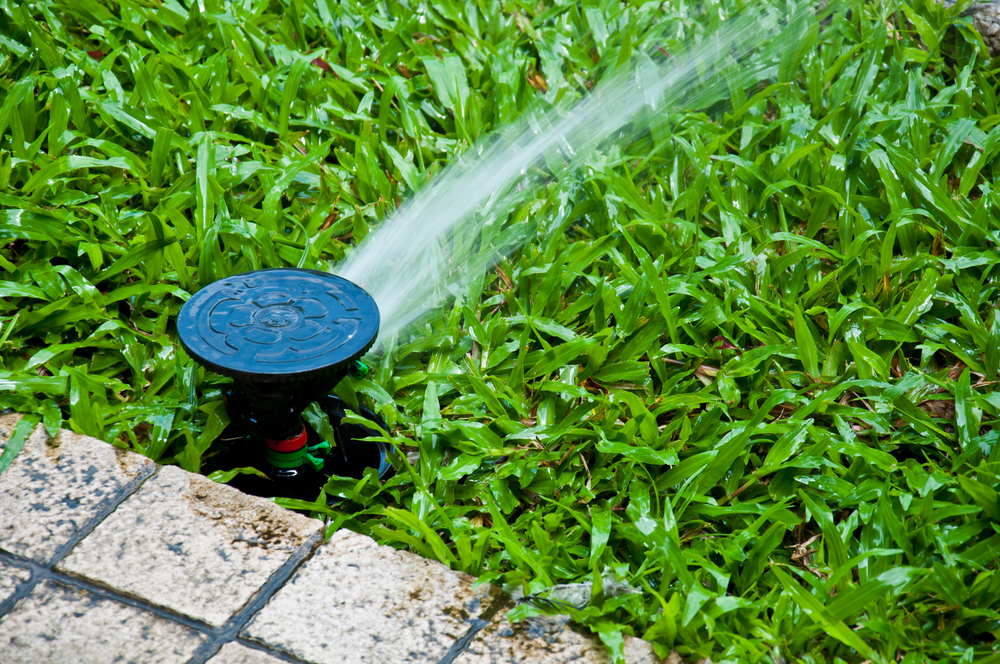
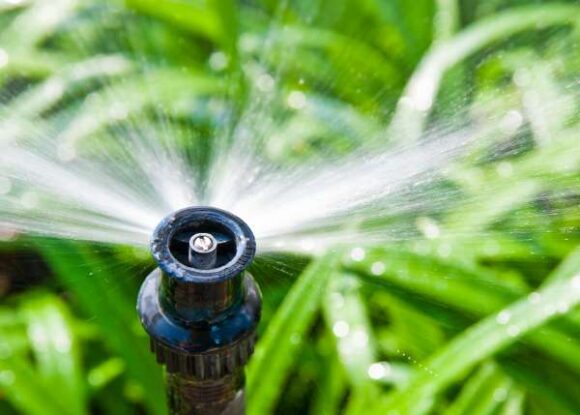
The most fundamental problem with oscillating sprinklers in a West Texas climate is evaporation loss. These sprinklers throw water high into the air in a wide arc, which might look impressive, but that airborne water is exposed to heat, wind, and sunlight for a significant amount of time before it ever touches the ground. In conditions where temperatures exceed 95 degrees and wind gusts are common, a substantial portion of that water simply never makes it to your grass.
Studies on irrigation efficiency have shown that overhead sprinkler systems that throw water high into the air can lose anywhere from 25 to 50 percent of their output to evaporation and wind drift in hot, windy conditions. In Lubbock and the surrounding region, those conditions are not occasional. They are the norm for four to five months out of the year.
There is also the issue of distribution uniformity. Oscillating sprinklers are notorious for delivering uneven coverage. The ends of the spray pattern typically receive more water than the center, meaning some parts of your lawn are being overwatered while others are going thirsty. Over time, this creates patchy grass, stressed turf, and a lawn that looks inconsistent no matter how much water you apply.
Wind makes this problem significantly worse. A steady West Texas breeze can push the spray pattern completely off course, soaking your driveway, your neighbor’s yard, or the sidewalk while your lawn gets almost nothing. These are not just minor inefficiencies; they are concrete, measurable flaws that cost you money on your water bill every single month.
Why In-Ground Sprinkler Installation Is the Smarter Long-Term Solution
For homeowners who are serious about maintaining a healthy lawn in West Texas, in-ground sprinkler installation is the most effective upgrade available. A properly designed in-ground system eliminates most of the problems that make oscillating sprinklers so inefficient in this region, and the benefits compound over time.
First, in-ground systems deliver water at ground level or just slightly above it, which dramatically reduces evaporation loss. Rotary heads and fixed spray heads can be positioned to water specific zones with precision, ensuring that water reaches the root zone where it is actually needed rather than floating away on the wind. Many modern systems use matched precipitation rate nozzles, which means every zone in your yard receives the same amount of water regardless of the head spacing or coverage angle.
Second, in-ground systems can be automated and programmed to run during the early morning hours, typically between 4 a.m. and 7 a.m., when evaporation rates are at their lowest and wind speeds in West Texas tend to be calmer. This timing adjustment alone can improve water efficiency by 20 to 30 percent compared to watering in the middle of the day with a portable sprinkler.
Third, many in-ground systems in Lubbock are now being paired with smart controllers that use local weather data to adjust watering schedules automatically. If rain is in the forecast or if the temperature drops, the system scales back accordingly. This kind of precision simply is not possible with a garden hose and an oscillating head sitting on the lawn.
The upfront cost of in-ground sprinkler installation is higher than buying a portable sprinkler from a hardware store, but the long-term savings on water bills, combined with the reduced need for lawn repair and reseeding, make it a sound investment for most homeowners in the region.
Lawn Watering Tips for West Texas Homeowners Using Any System
Even if you are not yet ready to invest in a full in-ground system, there are lawn watering tips that can help you get more out of whatever irrigation method you are currently using.
Water deeply and infrequently rather than shallowly and often. Deep watering encourages grass roots to grow downward into the soil, where they can access moisture even during dry spells. Shallow, frequent watering keeps roots near the surface, where they are far more vulnerable to heat stress and drought.
Water in the early morning. As mentioned above, this is one of the single most effective changes you can make to your watering routine. Midday watering in West Texas is essentially throwing money into the air, literally.
Pay attention to your soil type. Much of Lubbock and the surrounding area is characterized by sandy loam soils that drain quickly. Water applied too fast will run off before it can soak in. Cycle and soak watering, where you run your irrigation for shorter intervals and then allow the water to absorb before running again, is an effective strategy for these soil conditions.
Consider irrigation repair before assuming you need more water. Many lawns in West Texas that appear to be struggling from drought stress are actually suffering from a broken or misfiring irrigation system. A clogged nozzle, a broken head, or a misaligned spray pattern can leave entire zones of your lawn without adequate coverage. Regular irrigation repair and maintenance keeps your system performing at its best and ensures that every drop of water you pay for is going where it needs to go.
Conclusion
Oscillating sprinklers are inexpensive and convenient, but they are poorly matched to the demands of a West Texas lawn. The combination of high heat, persistent wind, and low rainfall in the Lubbock region amplifies every one of the oscillating lawn sprinkler flaws that would be only minor inconveniences in a milder climate. For homeowners who want a truly healthy lawn, in-ground sprinkler installation offers a reliable and efficient path forward. In the meantime, applying smart lawn watering tips and staying on top of irrigation repair can help close the gap and keep your grass in better shape through even the harshest West Texas summers.
If you are a homeowner in Lubbock, Texas, you already know that keeping a lawn green through the summer heat is no small feat. Water costs climb fast, especially when your irrigation system runs on a fixed schedule regardless of whether it rained last night or a heat wave is baking the South Plains. The good news is that upgrading to a smart sprinkler controller is one of the most practical steps you can take to cut your water bill and stay ahead of Lubbock water restrictions in 2026.
This guide breaks down exactly how these systems work, what they cost, and why more Lubbock homeowners are making the switch.
What Is a Smart Sprinkler Controller and How Does It Work?
A smart sprinkler controller replaces your standard timer-based irrigation box with a Wi-Fi-connected device that thinks for itself. Instead of running on a rigid weekly schedule, a smart controller pulls real-time weather data, soil moisture readings, and local evapotranspiration rates to decide when and how long to water your lawn.
Most Wi-Fi irrigation systems connect directly to your home network and pair with a smartphone app. From that app, you can adjust zones, set watering windows, check water usage history, and receive alerts if a leak is detected. Some systems also integrate with voice assistants and smart home platforms, making control even more convenient.
The real intelligence comes from weather-based adjustments. If rain is forecast or has already fallen, the controller skips the scheduled cycle automatically. If temperatures spike and soil moisture drops faster than expected, it can increase run times to compensate. This kind of dynamic response is simply not possible with a conventional timer, which waters on the same schedule in July as it does in October.
Popular options on the market in 2026 include the Rachio 3, RainBird ST8, and Orbit B-hyve, all of which are compatible with standard sprinkler wiring and can be installed by most homeowners in under an hour.
How Much Water Can You Actually Save in Lubbock’s Climate?
Lubbock sits in a semi-arid region where summer temperatures regularly exceed 95 degrees Fahrenheit and annual rainfall averages around 18 inches. That climate profile means traditional irrigation systems tend to overwater significantly, especially when homeowners set their timers at the start of summer and forget to adjust them as conditions change.
Studies from the EPA’s WaterSense program have found that smart sprinkler controllers can reduce outdoor water use by as much as 30 to 50 percent compared to conventional timer-based systems. For a typical Lubbock home with a mid-size yard, that kind of reduction can translate into real savings on a monthly water bill that may otherwise climb above $100 during peak irrigation months.
Water-saving sprinkler upgrades are especially effective in West Texas because the high evaporation rates in the region often fool homeowners into thinking their grass needs more water than it actually does. A smart controller that accounts for evapotranspiration data specific to the Lubbock area removes that guesswork and delivers water only when the turf genuinely needs it.
Beyond the monthly bill, reduced water consumption also extends the life of your sprinkler heads, reduces soil erosion from overwatering, and can improve overall lawn health by preventing root rot and fungal issues associated with excessive moisture.
What Are Lubbock Water Restrictions and How Do Smart Controllers Help You Comply?
Lubbock water restrictions have become an increasingly important consideration for residential customers in recent years. The city has implemented tiered watering schedules based on address type and season, with specific days and times designated for outdoor irrigation. Violating those restrictions, even unintentionally, can result in fines and excess-use surcharges that add up quickly.
A smart sprinkler controller addresses this problem directly. When you set up the system, you input your local watering schedule parameters and the controller builds its programming around those windows. It will not run outside your permitted hours, and it will not attempt to water on restricted days. This compliance happens automatically, without you having to remember to check the calendar each week.
In 2026, Lubbock continues to promote water conservation as part of its long-range resource planning, and utility customers who demonstrate consistent low usage may qualify for rebates or rate incentives from the city. Investing in a smart sprinkler controller and keeping your consumption records through the app puts you in a strong position to take advantage of any such programs as they become available.
Some Wi-Fi irrigation systems also allow you to set maximum monthly usage thresholds. If your system approaches that threshold before the month ends, it will reduce or suspend watering to keep you from crossing into a higher billing tier. That kind of financial control is simply not available with a conventional irrigation timer.
What Is the Cost of Upgrading and How Quickly Does It Pay Off?
One of the most common hesitations homeowners have about upgrading to a smart sprinkler controller is the upfront cost. A quality system runs between $80 and $250 depending on the number of zones and the features included. Professional installation, if you prefer not to do it yourself, typically adds another $75 to $150.
That may sound steep, but the math tends to work in your favor quickly. If your current outdoor water use averages $80 per month during the irrigation season and a smart controller cuts that by 35 percent, you are saving roughly $28 per month from April through October. That is close to $200 in savings over a single irrigation season, meaning the device pays for itself within the first year for most Lubbock homeowners.
Water-saving sprinkler upgrades also add measurable value to your home. Buyers increasingly look for energy-efficient and water-efficient features when evaluating properties, and a modern Wi-Fi irrigation system is a selling point that stands out in a market where utility costs are a real concern.
It is also worth checking whether your insurance provider offers any premium discounts for smart home water management systems. Some carriers recognize that leak detection features on these controllers reduce the risk of water damage claims, and they price policies accordingly.
How Do You Choose the Right Smart Sprinkler Controller for Your Lubbock Home?
Choosing the right system comes down to a few key factors: the number of irrigation zones you have, the features that matter most to you, and your comfort level with technology.
For homes with up to eight zones, the Rachio 3 is widely regarded as one of the most user-friendly and feature-rich options available. It offers hyperlocal weather intelligence, flexible scheduling, and a clean app interface that most homeowners find easy to navigate. For larger properties with more zones, the RainBird ST8I or a multi-controller Orbit B-hyve setup may be a better fit.
When evaluating Wi-Fi irrigation systems, prioritize those that carry the EPA WaterSense label. That certification indicates the product has been independently tested and verified to save water without sacrificing performance. It also makes the device eligible for any rebate programs that reference WaterSense compliance.
Make sure the system you choose supports your local weather station network. The closer the weather data source is to your property in Lubbock, the more accurately the controller will respond to actual conditions in your yard rather than regional averages.
Conclusion
Upgrading to a smart sprinkler controller is one of the most cost-effective home improvements a Lubbock homeowner can make in 2026. It reduces water waste, keeps you in compliance with Lubbock water restrictions, lowers your monthly bill, and practically pays for itself within the first season. If you are still running a basic timer on your irrigation system, this is the year to make the switch.
It is 100 degrees in Lubbock, your grass is looking thirsty, and you notice your sprinkler heads are not popping up like they used to. Instead of a strong, even spray, they are barely bubbling over. In the West Texas heat, every drop of water counts, and a drop in pressure is more than just a nuisance. It is a threat to your landscape investment. When you live in a semi-arid climate like ours, a healthy irrigation system is not optional. It is the lifeline of your lawn.
At JET Landscape and Irrigation, we have spent 30-plus years diagnosing the unique pressure pirates that steal water from Lubbock lawns. From hidden underground line leaks to the silent buildup of hard water minerals, sprinkler issues here are rarely random. They are usually tied to local soil conditions, high mineral content, aging components, or city water regulations. If you are noticing weak spray patterns, brown patches, or rising water bills, it is time to take a closer look at what is really going on beneath the surface.
Hard Water Buildup Is Quietly Choking Your Sprinkler Heads
Lubbock is known for its hard water. The high mineral content, especially calcium and sediment, leaves its mark on everything from shower doors to irrigation systems. Over time, that same mineral rich water flows through your sprinkler heads and nozzles, slowly narrowing the openings that are designed to distribute water evenly across your lawn.
As a result, what should be a consistent fan shaped spray turns into uneven streams or misting. This is one of the most common reasons homeowners call for sprinkler repair in Lubbock, TX. The pressure may technically be there, but the flow is restricted at the point of exit. When that happens, parts of your lawn get overwatered while others are left dry and stressed.
Hard water buildup in nozzles is especially problematic during peak summer heat. When spray turns into a fine mist, much of the water evaporates before it ever reaches the grass. That not only wastes water but also undermines your West Texas lawn care efforts. During periods of Lubbock water restrictions, inefficient spray patterns can put you at odds with local conservation goals.
This is where professional low water pressure troubleshooting makes a difference. Instead of simply replacing a broken head, JET Landscape and Irrigation technicians inspect each zone for mineral accumulation, clean or replace clogged nozzles, and make precise adjustments to restore proper spray patterns. It is a small fix that can make a major difference in both appearance and efficiency.
Underground Line Leaks and Root Intrusion Steal Pressure
If your sprinkler heads are barely rising or certain zones seem weaker than others, the problem may not be above ground at all. Underground line leaks are a common culprit in Lubbock, especially in older systems or properties with mature trees.
West Texas landscapes often feature Chinese Elms and other thirsty shrubs that send roots searching for moisture. Over time, those roots can pinch, crack, or invade irrigation lines. Even a small underground line leak can cause a noticeable drop in pressure, leaving your system struggling to push water to the surface.
The tricky part is that you may not see obvious signs right away. Sometimes the only clues are soggy patches in the yard, unexplained spikes in your water bill, or persistent brown spots in lawn areas that used to thrive. That is why irrigation system maintenance should always include a thorough inspection, not just a quick visual check of sprinkler heads.
JET Landscape and Irrigation takes what we call an audit approach. Instead of fixing one visible symptom, our team performs a full sprinkler system audit. We check for pressure imbalances between zones, inspect valve boxes, evaluate pipe integrity, and look for root intrusion that could be restricting flow underground. This comprehensive method helps fix brown spots in lawn areas at the source rather than applying temporary band aids.
For commercial property managers in Lubbock, Wolfforth, and Shallowater, this level of detail is even more critical. Large turf areas demand consistent coverage. A hidden leak can compromise an entire section of landscaping while quietly driving up operating costs.
Backflow Preventer and PVB Issues Can Restrict Flow
Another often overlooked cause of pressure problems is the backflow device. In Lubbock, irrigation systems are required to have properly functioning backflow prevention assemblies to protect the public water supply. If that device begins to fail, it can create unexpected pressure restrictions throughout your system.
Backflow preventer issues, including pressure vacuum breaker PVB repair needs, can reduce water flow before it ever reaches your sprinkler lines. In some cases, internal components wear out or become clogged with debris and mineral deposits. When that happens, you may notice inconsistent pressure across zones or difficulty getting heads to pop up fully.
Because these devices are tied to city safety requirements, they should only be serviced by a licensed professional. Jay Townsend, owner of JET Landscape and Irrigation, is a licensed irrigator and certified backflow tester with more than 30 years of hands-on experience. That level of expertise is essential when diagnosing complex issues that go beyond a simple broken head.
When our team evaluates a system, we do not just glance at the backflow assembly. We test it, verify pressure readings, and confirm that it is operating within city guidelines. For property managers trying to stay compliant with Lubbock Water Utilities regulations, this step is not optional. It is a necessary part of responsible irrigation system maintenance.
Water Restrictions and Inefficiency Make Pressure Problems Worse
Lubbock water restrictions are designed to promote conservation, especially during the hottest months of the year. However, when your system is already struggling with low pressure, these limitations can amplify the damage.
Low pressure often leads to misting, which wastes water through evaporation. In extreme heat, that mist can disappear before it ever soaks into the soil. You end up watering longer to compensate, which drives up your bill and may push you closer to violating usage guidelines.
For homeowners who are already frustrated by dry patches and rising costs, this can feel like a losing battle. You run the system more often, but the lawn still looks stressed. Meanwhile, your water usage creeps higher.
This is where a knowledgeable irrigation specialist becomes invaluable. Effective low water pressure troubleshooting is not just about restoring flow. It is about optimizing your system to deliver water efficiently under local conditions. That includes adjusting run times, correcting nozzle sizes, checking pressure regulators, and ensuring each zone is properly balanced.
At JET Landscape and Irrigation, we align our repair strategies with West Texas lawn care realities. We understand the soil composition, the climate, and the water quality challenges specific to Lubbock and surrounding communities. By combining technical expertise with local insight, we help homeowners and commercial clients protect their landscapes without wasting resources.
When to Schedule a Full Sprinkler System Audit
If your lawn is developing new brown patches, your sprinkler heads seem weak, or your water bill has jumped unexpectedly, it is time to stop guessing. A professional sprinkler system audit can pinpoint exactly where the pressure is being lost and why.
During a full audit, our team evaluates every component of your irrigation system. We check for hard water buildup in nozzles, inspect valves for leaks, test pressure levels at multiple points, and assess the condition of your backflow assembly. We also look for underground line leaks and root intrusion that may be compromising flow.
For commercial properties, this proactive approach can prevent costly turf replacement and ensure compliance with local water regulations. For homeowners, it offers peace of mind. Instead of constantly adjusting timers or replacing individual heads, you gain a clear understanding of your system as a whole.
Sprinkler repair in Lubbock, TX, should never be a guessing game. With Jay Townsend’s licensed expertise and decades of field experience, JET Landscape and Irrigation delivers solutions that address both the symptoms and the underlying causes. That is the difference between a temporary fix and a long-term improvement.
Restore the Strength Behind Your Sprinkler System
A struggling sprinkler system in the middle of a Lubbock summer is more than an inconvenience. It is a warning sign that something within your irrigation network needs attention. Whether the issue stems from hard water buildup, underground line leaks, backflow preventer issues, or simple wear and tear, ignoring it will only lead to more stress on your lawn and your wallet.
The good news is that pressure problems are almost always solvable with the right expertise. By investing in thorough irrigation system maintenance and a comprehensive sprinkler system audit, you can restore strong, efficient coverage that stands up to West Texas heat. JET Landscape and Irrigation brings more than 30 years of licensed experience to every property we service, helping homeowners and property managers protect their landscapes while staying aligned with local water guidelines. When every drop matters, having a knowledgeable irrigation specialist on your side makes all the difference.
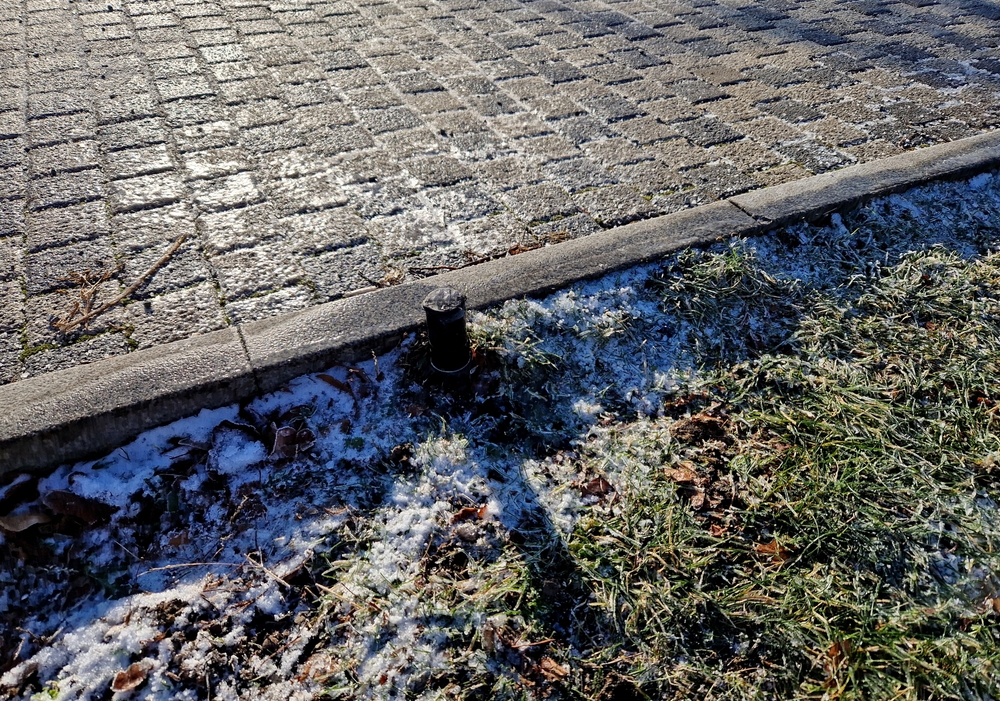
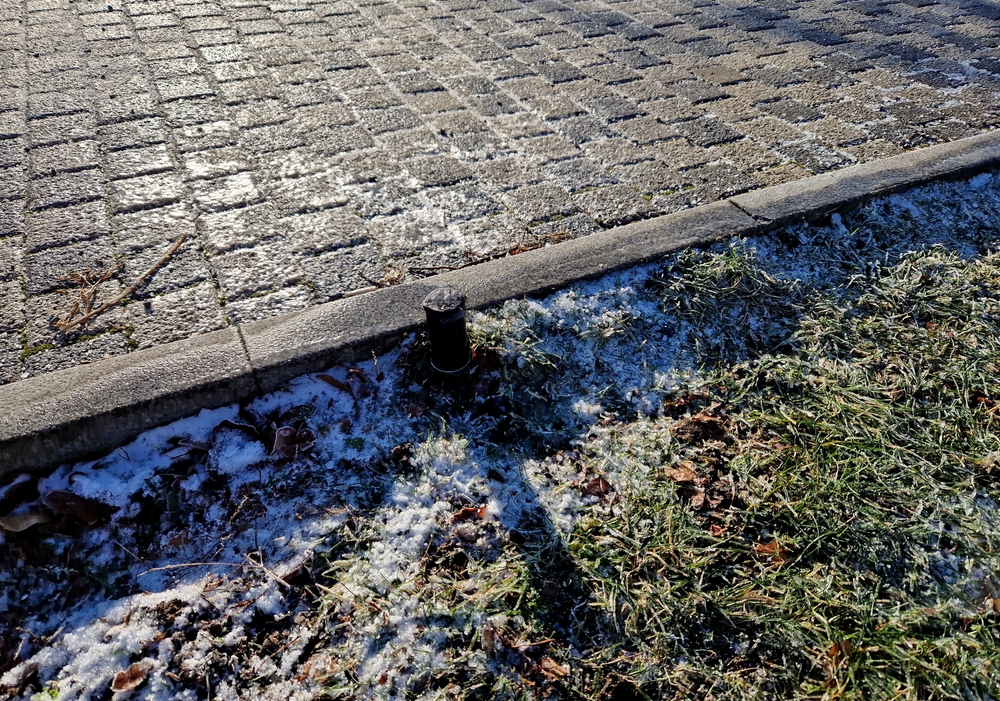
Winter in Lubbock can bring more than just frost-covered mornings and icy roads. A hard freeze has the potential to wreak havoc on outdoor irrigation systems, especially when homeowners are caught off guard. As temperatures drop below freezing, water in your sprinkler lines, valves, or backflow preventers can freeze and expand, leading to cracks, leaks, or total system failure. Once the thaw begins, the hidden damage starts to show, often turning into costly repairs if not addressed quickly. Understanding the signs of freeze damage is essential to keeping your landscaping healthy and your system operating efficiently.
Post-Freeze Water Pressure Changes and Irregular Sprinkler Behavior
One of the first signs that your irrigation system may have been damaged by a freeze is a noticeable drop in water pressure or erratic sprinkler behavior. After a freeze event in Lubbock, you might turn on your sprinkler system and find that some zones barely spray water or that sprinkler heads sputter instead of delivering a steady stream. These symptoms can point to partial blockages or breaks in the pipes caused by ice expansion.
Water trapped in PVC or polyethylene piping can freeze solid, and because water expands as it freezes, the pressure inside the pipes can cause them to burst. When the ice thaws, these ruptures may result in leaks or reduced water flow. Pay attention to any areas where water seems to bubble up from the ground when the system is on, as this can signal an underground pipe break. Local sprinkler specialists in Lubbock often deal with these pressure-related issues in the early spring, making it one of the most common calls for sprinkler repair.
Visual Indicators of Freeze Damage Around Valves and Backflow Devices
Not all signs of irrigation system damage are hidden. Often, freeze-related damage can be spotted with a careful visual inspection. Backflow preventers, valves, and exposed pipes are especially vulnerable to freezing because they are typically above ground or poorly insulated. A cracked backflow device will usually leak water when the system is running, and it may even hiss or whistle if air is being drawn in due to a break.
Cracked valve repair is another issue that becomes prominent after a freeze. Valves, especially those with plastic housing, can split due to expanding ice. If you notice standing water or pooling near the valve box, or hear unusual sounds when the zone turns on, it may be time to have your valves examined. Lubbock’s sudden temperature swings make it particularly important to inspect these components after a cold snap.
If your backflow preventer is visibly damaged or leaking, it is essential to shut down your irrigation system immediately and contact a professional. Continuing to operate a system with a compromised backflow device can not only waste water but may also allow contaminants to enter your potable water supply.
The Role of a Professional Irrigation System Audit After a Freeze
While some signs of damage can be spotted by an attentive homeowner, others require a trained eye. An irrigation system audit conducted by local sprinkler specialists is one of the most thorough ways to uncover hidden issues following a Lubbock freeze. These audits go beyond a visual check and involve pressure testing, zone analysis, and functional testing of all system components.
During an audit, the specialist will evaluate each sprinkler head for proper spray patterns and coverage, check for leaks or pressure loss, and inspect the condition of control valves, lateral lines, and emitters. The technician may also assess how well the system is draining, which is key to preventing future freeze damage. Properly winterizing and draining your system is often overlooked in West Texas where winter can be mild, but it only takes one hard freeze to cause thousands of dollars in damage.
In many cases, homeowners are unaware of slow leaks or compromised pipes until the summer watering season begins and utility bills spike. A professional irrigation system audit after a freeze provides peace of mind and ensures your system is working efficiently before heavy use resumes.
Techniques for Frozen Pipe Detection in Your Irrigation System
One of the most elusive problems following a freeze is frozen pipe damage. Since most irrigation pipes are buried underground, it is difficult to know if they were compromised until signs emerge. Frozen pipe detection involves looking for subtle clues and using specialized equipment if needed.
Some of the most telling signs include soggy areas in your lawn long after the system is off, sections of the yard that appear unusually green, or air hissing sounds near the ground when the system is operating. These could point to hairline fractures or slow leaks in the underground piping. If you suspect this type of issue, it is important to avoid running the system until a technician can locate the damage. Using frozen pipe detection tools like infrared thermometers or pressure sensors, professionals can pinpoint the affected areas without needing to excavate the entire system.
Delaying inspection after a freeze can lead to more extensive problems. Minor leaks can erode soil, damage foundations, or encourage mold and mildew in adjacent areas. Lubbock residents who suspect freeze damage should act early, especially when temperatures start rising again and the soil begins to thaw.
Importance of Hiring Local Sprinkler Specialists in Lubbock
Freeze damage can be complex, and DIY repairs are often not enough to fully address the scope of the problem. That is why hiring local sprinkler specialists in Lubbock is crucial. These professionals are familiar with the unique challenges presented by the region’s climate and have experience with the types of irrigation systems most commonly used in the area.
Local experts are also well-versed in the city’s watering ordinances and seasonal guidelines, which helps you stay compliant while maximizing your system’s performance. When choosing a specialist, look for one with solid reviews, proper licensing, and specific experience in freeze recovery and cracked valve repair.
Beyond repair, many sprinkler professionals offer winterization services in the fall to prevent these issues in the first place. This includes draining the system, insulating exposed components, and setting timers to avoid running the system during overnight freezes. Investing in this type of preventative care is often far cheaper than dealing with the aftermath of a frozen system.
Conclusion
Lubbock’s unpredictable winter weather can take a serious toll on your irrigation system. While the damage may not be obvious at first glance, signs such as reduced water pressure, pooling water, cracked valves, and erratic sprinkler performance can all point to issues caused by freezing temperatures. Taking quick action and scheduling a professional irrigation system audit is the most reliable way to assess and repair hidden damage.
Frozen pipe detection and cracked valve repair are best left to local sprinkler specialists who understand the nuances of irrigation systems in the Lubbock area. With their help, you can ensure your landscape stays healthy and your water usage stays efficient. After a freeze, do not wait for your lawn to suffer. A timely inspection and repair can save you from much larger problems down the line and help your system recover before spring arrives.
Winter in Lubbock, TX may not bring the frigid extremes of northern states, but the occasional freeze can wreak havoc on outdoor irrigation systems. If you’ve invested in a sprinkler system to keep your lawn lush during the warmer months, it’s essential to protect that investment as temperatures drop. A frozen pipe or damaged valve can result in costly repairs, water waste, and frustration once spring arrives. Fortunately, with the right knowledge and preparation, you can master the process of winterizing your sprinkler system and prevent unnecessary damage.
This guide walks you through everything you need to know about how to protect sprinklers in cold weather, specifically tailored to Lubbock’s climate. From understanding the risks of freezing temperatures to executing proper irrigation winter maintenance, you’ll be ready to tackle the winter season head-on.
Understanding the Importance of Sprinkler System Freeze Prevention
In Lubbock, TX, winter temperatures can sometimes dip below freezing unexpectedly, especially during the night. While the city’s overall climate leans toward the drier side, the combination of occasional cold snaps and moisture in the system can lead to frozen pipes, broken valves, and cracked sprinkler heads. These damages are not just inconvenient; they can be expensive to repair and may even lead to more serious issues like water leaks under your lawn or foundation.
Sprinkler system freeze prevention is not just about reacting when a cold front hits. It requires proactive planning before the coldest months arrive. Water expands when it freezes, and any residual water trapped inside your system’s pipes or backflow preventer can exert enough pressure to break components. That’s why the process of winterizing is essential for homeowners who want to avoid emergency plumbing calls and maintain the health of their irrigation systems year-round.
When and Why You Should Winterize Your Sprinkler System in Lubbock, TX
The best time to winterize a sprinkler system in Lubbock is typically late October to early November. This window gives homeowners a chance to prepare before the first major freeze hits. Delaying winterization can put your irrigation system at serious risk, especially during Lubbock’s occasional sharp temperature drops.
While it may be tempting to hold off because the weather is still relatively mild, it’s always better to be ahead of the curve. Remember that a sudden freeze can arrive with little warning, and meteorological surprises are not uncommon in West Texas. Winterizing your system not only ensures protection but also prolongs the overall lifespan of your irrigation infrastructure, reducing long-term maintenance costs and avoiding seasonal stress.
Moreover, Lubbock’s semi-arid environment means every drop of water matters. Damaged systems can leak water underground, wasting this precious resource and undermining your efforts toward water conservation. That’s why irrigation winter maintenance is more than a chore—it’s a smart, sustainable choice for any responsible homeowner.
Step-by-Step Process to Winterize Sprinkler System in Lubbock
The process to winterize sprinkler system components is methodical and, if done properly, guarantees peace of mind throughout the winter. First, you’ll want to shut off the water supply to your irrigation system. This usually involves turning off a main valve located near the water meter or on the irrigation line. Make sure this is done before the temperature drops below freezing.
Next, focus on draining all the water from the pipes. Some systems are equipped with automatic or manual drain valves. If your system is manual, open each valve to allow water to escape. Automatic systems may drain on their own, but it’s wise to double-check to ensure no water remains. For systems without either type of drain, a blow-out method using compressed air may be necessary. This technique forces air through the lines to expel residual water but should be done with caution or by a professional to avoid damaging the pipes.
Once the pipes are empty, turn off the controller or irrigation timer. This prevents the system from trying to activate during the winter and adds another layer of protection. If your system includes a backflow preventer, it’s critical to insulate it. Wrap the device with insulation tape or use a specially designed cover to shield it from freezing temperatures. Likewise, any exposed pipes should be insulated with foam covers to protect against overnight temperature dips.
While the process can be done DIY, some Lubbock homeowners choose to hire professionals. A licensed irrigation technician can provide a thorough inspection, verify proper drainage, and ensure the backflow preventer is winter-ready. This added assurance is especially helpful for larger systems or those with complex layouts.
Common Mistakes to Avoid During Irrigation Winter Maintenance
Even with the best intentions, it’s easy to make errors during the winterization process that can leave your sprinkler system vulnerable. One of the most common mistakes is forgetting to shut off the water supply completely. A slow leak or small amount of water left in the pipes can still freeze and expand, causing splits or bursts.
Another frequent oversight is ignoring the backflow preventer. This device is one of the most expensive components of an irrigation system and is also among the most sensitive to cold. Leaving it uninsulated or improperly drained almost guarantees problems when temperatures dip. Make sure it’s either drained properly or covered with adequate insulation.
Some homeowners also fail to clear out valve boxes. These boxes can accumulate moisture that freezes and causes internal damage. Take a few minutes to inspect them and remove any water that may have pooled inside. Leaving the irrigation controller or timer active during winter is another trap. While it may seem harmless, an active system can accidentally turn on during a warm spell, only to freeze again at night.
Finally, avoid using compressed air if you’re not familiar with your sprinkler system’s PSI limits. Applying too much pressure during a blow-out can cause more damage than the cold itself. If in doubt, contact a local Lubbock irrigation professional for assistance.
Long-Term Benefits of Winterizing Your Sprinkler System
Taking the time to winterize your sprinkler system in Lubbock, TX does more than just prevent immediate damage. It also helps extend the life of your irrigation system. Regular irrigation winter maintenance ensures that key components remain in good working condition, reducing the need for frequent replacements or repairs.
A properly winterized system experiences fewer breakdowns in spring, allowing for a smoother transition into the growing season. You’ll also save on water bills by preventing underground leaks and inefficiencies caused by damaged pipes or valves. In addition, many homeowners’ insurance policies may not cover damage resulting from lack of maintenance. Showing that you’ve taken steps to protect your irrigation system in cold weather can prevent disputes and ensure coverage if issues do arise.
From a landscaping perspective, healthy irrigation leads to a healthier lawn. Ensuring your system survives the winter intact means your yard will bounce back faster when warm weather returns. In a climate like Lubbock’s, where spring growth can be rapid, getting an early start without delays from sprinkler repairs gives your property an advantage in curb appeal and plant health.
Conclusion
Living in Lubbock, TX comes with its unique set of weather patterns, and while winters are relatively mild, the threat of freezing temperatures is very real. Knowing how to winterize your sprinkler system is essential for protecting your investment and avoiding unexpected repair costs. From shutting off water supplies and draining lines to insulating components and avoiding common pitfalls, every step of the process contributes to sprinkler system freeze prevention.
The key is preparation. Don’t wait for the forecast to predict a hard freeze before taking action. Instead, make irrigation winter maintenance a regular part of your seasonal home care routine. Whether you handle it yourself or enlist professional help, safeguarding your system now will pay dividends in the spring. Knowing how to protect sprinklers in cold weather isn’t just smart—it’s a necessity for every homeowner in Lubbock aiming to maintain a reliable, efficient irrigation system year-round.