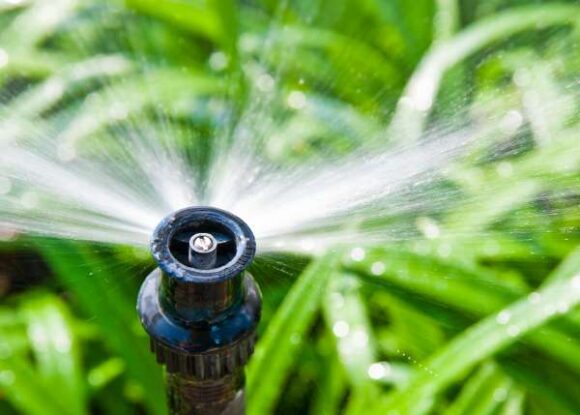
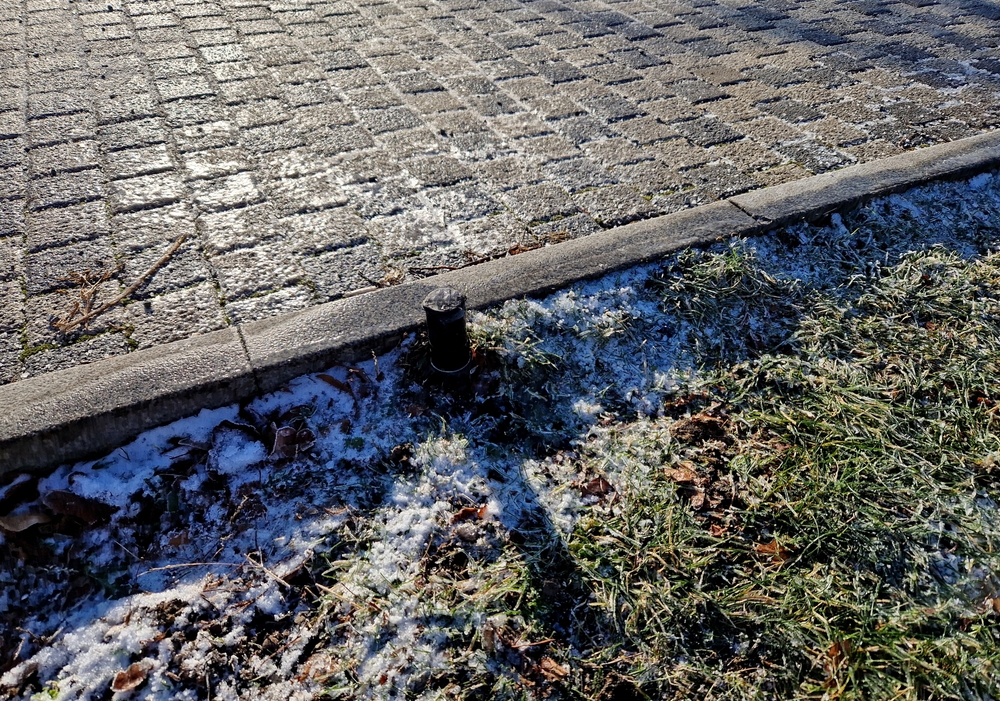
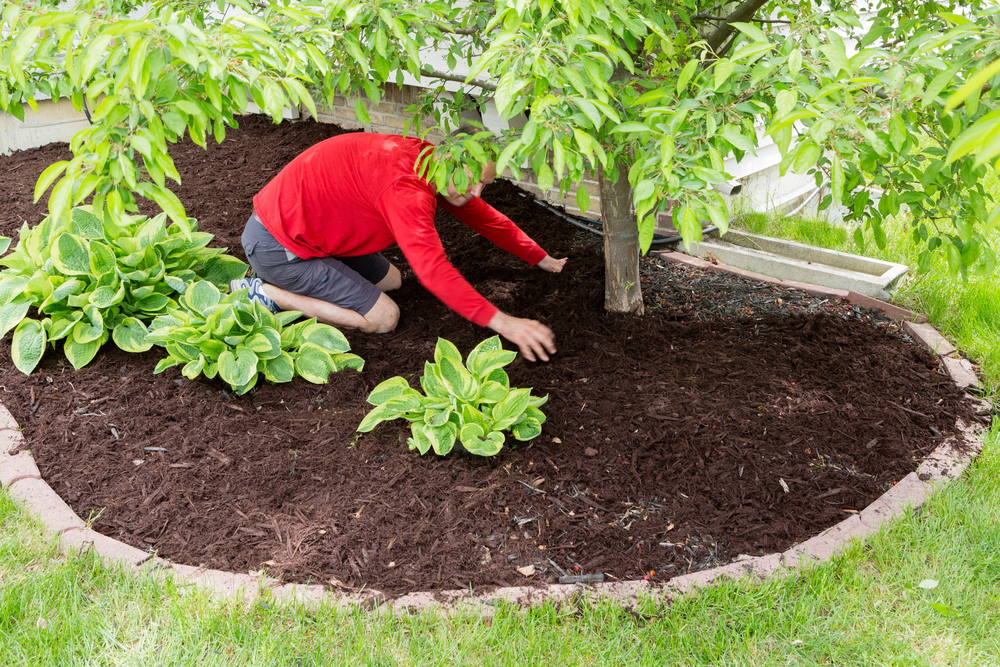
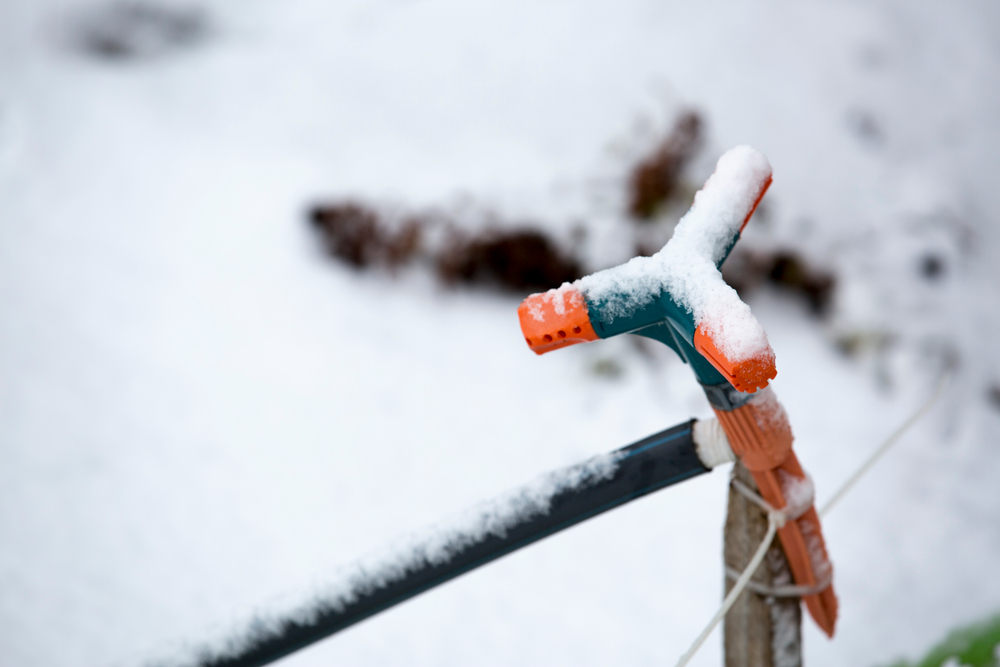
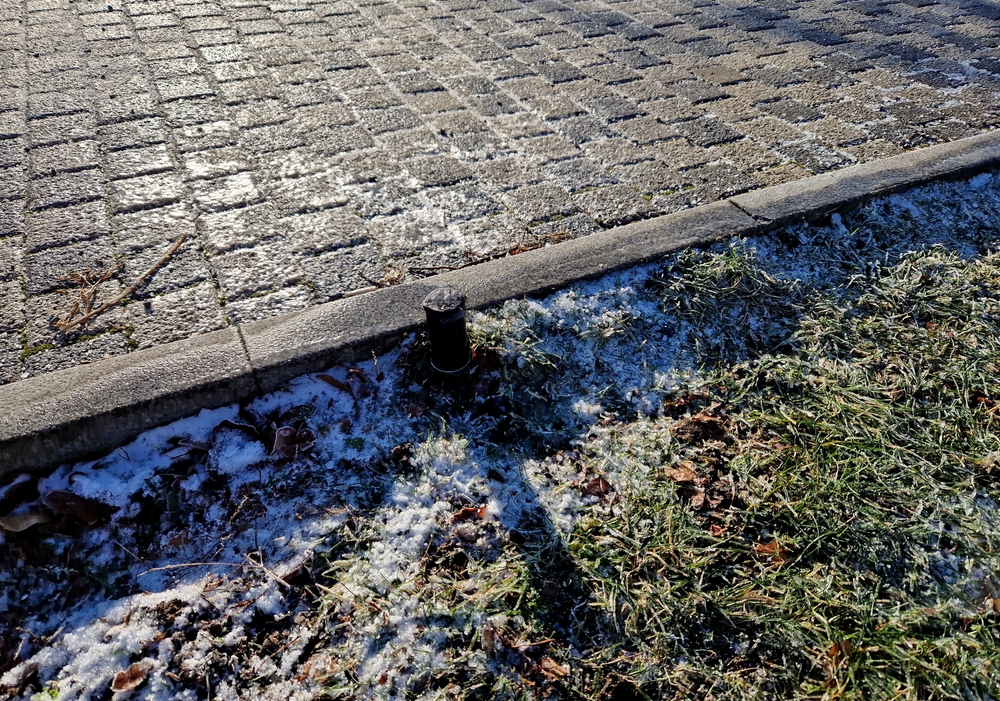
It is 100 degrees in Lubbock, your grass is looking thirsty, and you notice your sprinkler heads are not popping up like they used to. Instead of a strong, even spray, they are barely bubbling over. In the West Texas heat, every drop of water counts, and a drop in pressure is more than just a nuisance. It is a threat to your landscape investment. When you live in a semi-arid climate like ours, a healthy irrigation system is not optional. It is the lifeline of your lawn.
At JET Landscape and Irrigation, we have spent 30-plus years diagnosing the unique pressure pirates that steal water from Lubbock lawns. From hidden underground line leaks to the silent buildup of hard water minerals, sprinkler issues here are rarely random. They are usually tied to local soil conditions, high mineral content, aging components, or city water regulations. If you are noticing weak spray patterns, brown patches, or rising water bills, it is time to take a closer look at what is really going on beneath the surface.
Hard Water Buildup Is Quietly Choking Your Sprinkler Heads
Lubbock is known for its hard water. The high mineral content, especially calcium and sediment, leaves its mark on everything from shower doors to irrigation systems. Over time, that same mineral rich water flows through your sprinkler heads and nozzles, slowly narrowing the openings that are designed to distribute water evenly across your lawn.
As a result, what should be a consistent fan shaped spray turns into uneven streams or misting. This is one of the most common reasons homeowners call for sprinkler repair in Lubbock, TX. The pressure may technically be there, but the flow is restricted at the point of exit. When that happens, parts of your lawn get overwatered while others are left dry and stressed.
Hard water buildup in nozzles is especially problematic during peak summer heat. When spray turns into a fine mist, much of the water evaporates before it ever reaches the grass. That not only wastes water but also undermines your West Texas lawn care efforts. During periods of Lubbock water restrictions, inefficient spray patterns can put you at odds with local conservation goals.
This is where professional low water pressure troubleshooting makes a difference. Instead of simply replacing a broken head, JET Landscape and Irrigation technicians inspect each zone for mineral accumulation, clean or replace clogged nozzles, and make precise adjustments to restore proper spray patterns. It is a small fix that can make a major difference in both appearance and efficiency.
Underground Line Leaks and Root Intrusion Steal Pressure
If your sprinkler heads are barely rising or certain zones seem weaker than others, the problem may not be above ground at all. Underground line leaks are a common culprit in Lubbock, especially in older systems or properties with mature trees.
West Texas landscapes often feature Chinese Elms and other thirsty shrubs that send roots searching for moisture. Over time, those roots can pinch, crack, or invade irrigation lines. Even a small underground line leak can cause a noticeable drop in pressure, leaving your system struggling to push water to the surface.
The tricky part is that you may not see obvious signs right away. Sometimes the only clues are soggy patches in the yard, unexplained spikes in your water bill, or persistent brown spots in lawn areas that used to thrive. That is why irrigation system maintenance should always include a thorough inspection, not just a quick visual check of sprinkler heads.
JET Landscape and Irrigation takes what we call an audit approach. Instead of fixing one visible symptom, our team performs a full sprinkler system audit. We check for pressure imbalances between zones, inspect valve boxes, evaluate pipe integrity, and look for root intrusion that could be restricting flow underground. This comprehensive method helps fix brown spots in lawn areas at the source rather than applying temporary band aids.
For commercial property managers in Lubbock, Wolfforth, and Shallowater, this level of detail is even more critical. Large turf areas demand consistent coverage. A hidden leak can compromise an entire section of landscaping while quietly driving up operating costs.
Backflow Preventer and PVB Issues Can Restrict Flow
Another often overlooked cause of pressure problems is the backflow device. In Lubbock, irrigation systems are required to have properly functioning backflow prevention assemblies to protect the public water supply. If that device begins to fail, it can create unexpected pressure restrictions throughout your system.
Backflow preventer issues, including pressure vacuum breaker PVB repair needs, can reduce water flow before it ever reaches your sprinkler lines. In some cases, internal components wear out or become clogged with debris and mineral deposits. When that happens, you may notice inconsistent pressure across zones or difficulty getting heads to pop up fully.
Because these devices are tied to city safety requirements, they should only be serviced by a licensed professional. Jay Townsend, owner of JET Landscape and Irrigation, is a licensed irrigator and certified backflow tester with more than 30 years of hands-on experience. That level of expertise is essential when diagnosing complex issues that go beyond a simple broken head.
When our team evaluates a system, we do not just glance at the backflow assembly. We test it, verify pressure readings, and confirm that it is operating within city guidelines. For property managers trying to stay compliant with Lubbock Water Utilities regulations, this step is not optional. It is a necessary part of responsible irrigation system maintenance.
Water Restrictions and Inefficiency Make Pressure Problems Worse
Lubbock water restrictions are designed to promote conservation, especially during the hottest months of the year. However, when your system is already struggling with low pressure, these limitations can amplify the damage.
Low pressure often leads to misting, which wastes water through evaporation. In extreme heat, that mist can disappear before it ever soaks into the soil. You end up watering longer to compensate, which drives up your bill and may push you closer to violating usage guidelines.
For homeowners who are already frustrated by dry patches and rising costs, this can feel like a losing battle. You run the system more often, but the lawn still looks stressed. Meanwhile, your water usage creeps higher.
This is where a knowledgeable irrigation specialist becomes invaluable. Effective low water pressure troubleshooting is not just about restoring flow. It is about optimizing your system to deliver water efficiently under local conditions. That includes adjusting run times, correcting nozzle sizes, checking pressure regulators, and ensuring each zone is properly balanced.
At JET Landscape and Irrigation, we align our repair strategies with West Texas lawn care realities. We understand the soil composition, the climate, and the water quality challenges specific to Lubbock and surrounding communities. By combining technical expertise with local insight, we help homeowners and commercial clients protect their landscapes without wasting resources.
When to Schedule a Full Sprinkler System Audit
If your lawn is developing new brown patches, your sprinkler heads seem weak, or your water bill has jumped unexpectedly, it is time to stop guessing. A professional sprinkler system audit can pinpoint exactly where the pressure is being lost and why.
During a full audit, our team evaluates every component of your irrigation system. We check for hard water buildup in nozzles, inspect valves for leaks, test pressure levels at multiple points, and assess the condition of your backflow assembly. We also look for underground line leaks and root intrusion that may be compromising flow.
For commercial properties, this proactive approach can prevent costly turf replacement and ensure compliance with local water regulations. For homeowners, it offers peace of mind. Instead of constantly adjusting timers or replacing individual heads, you gain a clear understanding of your system as a whole.
Sprinkler repair in Lubbock, TX, should never be a guessing game. With Jay Townsend’s licensed expertise and decades of field experience, JET Landscape and Irrigation delivers solutions that address both the symptoms and the underlying causes. That is the difference between a temporary fix and a long-term improvement.
Restore the Strength Behind Your Sprinkler System
A struggling sprinkler system in the middle of a Lubbock summer is more than an inconvenience. It is a warning sign that something within your irrigation network needs attention. Whether the issue stems from hard water buildup, underground line leaks, backflow preventer issues, or simple wear and tear, ignoring it will only lead to more stress on your lawn and your wallet.
The good news is that pressure problems are almost always solvable with the right expertise. By investing in thorough irrigation system maintenance and a comprehensive sprinkler system audit, you can restore strong, efficient coverage that stands up to West Texas heat. JET Landscape and Irrigation brings more than 30 years of licensed experience to every property we service, helping homeowners and property managers protect their landscapes while staying aligned with local water guidelines. When every drop matters, having a knowledgeable irrigation specialist on your side makes all the difference.
Winter in Lubbock can bring more than just frost-covered mornings and icy roads. A hard freeze has the potential to wreak havoc on outdoor irrigation systems, especially when homeowners are caught off guard. As temperatures drop below freezing, water in your sprinkler lines, valves, or backflow preventers can freeze and expand, leading to cracks, leaks, or total system failure. Once the thaw begins, the hidden damage starts to show, often turning into costly repairs if not addressed quickly. Understanding the signs of freeze damage is essential to keeping your landscaping healthy and your system operating efficiently.
Post-Freeze Water Pressure Changes and Irregular Sprinkler Behavior
One of the first signs that your irrigation system may have been damaged by a freeze is a noticeable drop in water pressure or erratic sprinkler behavior. After a freeze event in Lubbock, you might turn on your sprinkler system and find that some zones barely spray water or that sprinkler heads sputter instead of delivering a steady stream. These symptoms can point to partial blockages or breaks in the pipes caused by ice expansion.
Water trapped in PVC or polyethylene piping can freeze solid, and because water expands as it freezes, the pressure inside the pipes can cause them to burst. When the ice thaws, these ruptures may result in leaks or reduced water flow. Pay attention to any areas where water seems to bubble up from the ground when the system is on, as this can signal an underground pipe break. Local sprinkler specialists in Lubbock often deal with these pressure-related issues in the early spring, making it one of the most common calls for sprinkler repair.
Visual Indicators of Freeze Damage Around Valves and Backflow Devices
Not all signs of irrigation system damage are hidden. Often, freeze-related damage can be spotted with a careful visual inspection. Backflow preventers, valves, and exposed pipes are especially vulnerable to freezing because they are typically above ground or poorly insulated. A cracked backflow device will usually leak water when the system is running, and it may even hiss or whistle if air is being drawn in due to a break.
Cracked valve repair is another issue that becomes prominent after a freeze. Valves, especially those with plastic housing, can split due to expanding ice. If you notice standing water or pooling near the valve box, or hear unusual sounds when the zone turns on, it may be time to have your valves examined. Lubbock’s sudden temperature swings make it particularly important to inspect these components after a cold snap.
If your backflow preventer is visibly damaged or leaking, it is essential to shut down your irrigation system immediately and contact a professional. Continuing to operate a system with a compromised backflow device can not only waste water but may also allow contaminants to enter your potable water supply.
The Role of a Professional Irrigation System Audit After a Freeze
While some signs of damage can be spotted by an attentive homeowner, others require a trained eye. An irrigation system audit conducted by local sprinkler specialists is one of the most thorough ways to uncover hidden issues following a Lubbock freeze. These audits go beyond a visual check and involve pressure testing, zone analysis, and functional testing of all system components.
During an audit, the specialist will evaluate each sprinkler head for proper spray patterns and coverage, check for leaks or pressure loss, and inspect the condition of control valves, lateral lines, and emitters. The technician may also assess how well the system is draining, which is key to preventing future freeze damage. Properly winterizing and draining your system is often overlooked in West Texas where winter can be mild, but it only takes one hard freeze to cause thousands of dollars in damage.
In many cases, homeowners are unaware of slow leaks or compromised pipes until the summer watering season begins and utility bills spike. A professional irrigation system audit after a freeze provides peace of mind and ensures your system is working efficiently before heavy use resumes.
Techniques for Frozen Pipe Detection in Your Irrigation System
One of the most elusive problems following a freeze is frozen pipe damage. Since most irrigation pipes are buried underground, it is difficult to know if they were compromised until signs emerge. Frozen pipe detection involves looking for subtle clues and using specialized equipment if needed.
Some of the most telling signs include soggy areas in your lawn long after the system is off, sections of the yard that appear unusually green, or air hissing sounds near the ground when the system is operating. These could point to hairline fractures or slow leaks in the underground piping. If you suspect this type of issue, it is important to avoid running the system until a technician can locate the damage. Using frozen pipe detection tools like infrared thermometers or pressure sensors, professionals can pinpoint the affected areas without needing to excavate the entire system.
Delaying inspection after a freeze can lead to more extensive problems. Minor leaks can erode soil, damage foundations, or encourage mold and mildew in adjacent areas. Lubbock residents who suspect freeze damage should act early, especially when temperatures start rising again and the soil begins to thaw.
Importance of Hiring Local Sprinkler Specialists in Lubbock
Freeze damage can be complex, and DIY repairs are often not enough to fully address the scope of the problem. That is why hiring local sprinkler specialists in Lubbock is crucial. These professionals are familiar with the unique challenges presented by the region’s climate and have experience with the types of irrigation systems most commonly used in the area.
Local experts are also well-versed in the city’s watering ordinances and seasonal guidelines, which helps you stay compliant while maximizing your system’s performance. When choosing a specialist, look for one with solid reviews, proper licensing, and specific experience in freeze recovery and cracked valve repair.
Beyond repair, many sprinkler professionals offer winterization services in the fall to prevent these issues in the first place. This includes draining the system, insulating exposed components, and setting timers to avoid running the system during overnight freezes. Investing in this type of preventative care is often far cheaper than dealing with the aftermath of a frozen system.
Conclusion
Lubbock’s unpredictable winter weather can take a serious toll on your irrigation system. While the damage may not be obvious at first glance, signs such as reduced water pressure, pooling water, cracked valves, and erratic sprinkler performance can all point to issues caused by freezing temperatures. Taking quick action and scheduling a professional irrigation system audit is the most reliable way to assess and repair hidden damage.
Frozen pipe detection and cracked valve repair are best left to local sprinkler specialists who understand the nuances of irrigation systems in the Lubbock area. With their help, you can ensure your landscape stays healthy and your water usage stays efficient. After a freeze, do not wait for your lawn to suffer. A timely inspection and repair can save you from much larger problems down the line and help your system recover before spring arrives.
Landscaping in Lubbock, TX presents its own set of challenges and opportunities. The unique desert climate, seasonal variations, and water limitations require a tailored approach. Local homeowners are increasingly asking smart questions to ensure their outdoor spaces thrive year-round. Below, we’ve compiled expert answers to the most common landscaping questions heard across the Lubbock area. Whether you’re new to gardening or a seasoned lawn care enthusiast, this guide will provide you with essential landscaping tips that reflect local experience and insight.
What Are the Best Plants for Lubbock Landscaping?
Choosing the best plants for Lubbock landscaping is one of the first steps to a successful yard. Due to the region’s arid, semi-desert conditions, residents should focus on drought-tolerant plants that can survive long stretches of heat and minimal rainfall. Native plants are especially ideal because they’ve adapted over centuries to the local climate and soil types.
Among the most reliable choices are Texas sage, a hardy shrub with striking purple blooms, and red yucca, which thrives in direct sunlight while producing vibrant flowers that attract hummingbirds. Other top picks include lantana, desert willow, and salvia greggii. These species not only withstand Lubbock’s high summer temperatures, but they also require less water, making them suitable for sustainable landscaping.
Local experts also suggest grouping plants by water needs to improve efficiency in irrigation and maintenance. Using mulch and ground covers like buffalo grass helps retain moisture and reduce weed growth. These techniques not only enhance the appearance of your garden but also make your landscaping more resilient to drought conditions common in Texas.
What Should I Know About Irrigation in Lubbock, TX?
Irrigation questions in Lubbock, TX often focus on how to keep plants healthy without wasting water. Due to the limited rainfall and strict watering regulations that sometimes come into effect during dry seasons, homeowners must adopt efficient watering methods.
Drip irrigation is highly recommended by local landscapers. This method delivers water directly to the roots of plants, reducing evaporation and ensuring that water is not wasted on non-essential areas. For lawns, using properly calibrated sprinkler systems is essential. Watering in the early morning, before 10 a.m., reduces water loss due to evaporation and gives grass a better chance to absorb moisture before the heat of the day sets in.
Backflow preventers, timers, and rain sensors are other components local experts suggest incorporating into your irrigation system. They not only help maintain compliance with local water-use regulations but also save money in the long run. It’s important to adjust irrigation schedules with the seasons, watering less in cooler months and more during peak summer heat.
How Can I Maintain My Sprinkler System in Lubbock?
Sprinkler system maintenance in Lubbock is a hot topic, especially as improper care can lead to water waste and higher utility bills. The region’s temperature swings and occasional freezes during winter also make it necessary to perform seasonal inspections.
The first step in maintaining your sprinkler system is conducting regular checks for leaks, broken heads, and uneven spray patterns. A single damaged sprinkler head can flood certain areas while depriving others, leading to unhealthy grass and plants. Replacing worn nozzles and cleaning out clogged heads should be done at least twice a year.
Winterizing your sprinkler system is crucial in Lubbock. Before the first freeze, experts advise draining all water from the lines to prevent cracking and damage. If your system is automated, reprogram the controller based on current water needs and rainfall. During spring, when you turn the system back on, inspect each zone and test for pressure inconsistencies or debris buildup.
In addition to do-it-yourself checks, many local homeowners benefit from hiring professional irrigation specialists once a year. These pros conduct more detailed audits and can recommend upgrades like weather-based controllers or improved water-efficient heads that align with Lubbock’s climate demands.
What’s the Best Lawn Care Approach for Lubbock’s Desert Climate?
Lawn care in Lubbock’s desert climate requires strategy and consistency. The hot, dry summers combined with clay-heavy soils can make it difficult to grow and maintain traditional turfgrass. However, with the right approach, a green, vibrant lawn is still possible.
First, selecting the right type of grass is essential. Bermuda grass and buffalo grass are two favorites among local lawn care professionals. Bermuda grows quickly and recovers from foot traffic easily, while buffalo grass is more drought-tolerant and requires less mowing and fertilization.
Fertilization schedules should align with the growing season. In Lubbock, most grasses start growing in late spring and hit their stride during the summer. Apply fertilizer in mid to late spring, then again in late summer or early fall to strengthen roots ahead of winter dormancy.
When it comes to mowing, avoid cutting the grass too short. Taller blades provide shade to the soil, which helps conserve moisture and reduces weed growth. Mow frequently enough that you’re never removing more than one-third of the grass height at a time.
Weed and pest control are also important considerations. Due to the dry conditions, weeds can quickly overtake struggling lawns. Pre-emergent herbicides in early spring and fall help manage this. For pests like grubs, chinch bugs, or armyworms, local extension services recommend inspecting your lawn regularly and treating outbreaks promptly using targeted methods rather than blanket applications.
Is Drought-Tolerant Landscaping a Good Idea for Texas Yards?
Drought-tolerant landscaping in Texas is not just a good idea, it’s quickly becoming a necessity. With climate patterns becoming increasingly erratic, designing a landscape that can survive extended dry periods is both practical and cost-effective. In Lubbock, where water conservation is a recurring concern, this type of landscaping is embraced by homeowners and city officials alike.
The goal of drought-tolerant landscaping is to reduce water usage without sacrificing beauty. This starts with hardscaping elements like gravel paths, stone borders, and raised beds that require no watering at all. These features also add texture and dimension to your yard.
Next is choosing the right plant palette. As mentioned earlier, native and adaptive species thrive in this environment and contribute to a cohesive aesthetic. Decorative cacti, agave, ornamental grasses, and flowering perennials such as blackfoot daisy and autumn sage add visual appeal while being extremely resilient to drought.
Soil improvement is another major component. Amending your soil with organic matter increases its water retention capacity. Mulching around plants further reduces water loss and keeps root zones cool.
The practice of xeriscaping, designing with water conservation in mind, has taken root in many parts of Texas, including Lubbock. Many local nurseries and landscaping professionals offer xeriscape consultations and can create custom plans based on your property’s layout and sun exposure.
Conclusion
Landscaping in Lubbock, TX is both a challenge and an opportunity. With careful planning, appropriate plant choices, and thoughtful irrigation methods, homeowners can create thriving outdoor spaces that require less water and maintenance. The key lies in adapting to the desert climate while leveraging native resources and expert insights.
From selecting the best plants for Lubbock landscaping to managing irrigation systems and embracing drought-tolerant design, these landscaping tips help you make informed decisions that support long-term success. Whether you’re upgrading your current yard or starting from scratch, leaning on local expertise will ensure your landscaping choices are sustainable, attractive, and perfectly suited to Lubbock’s unique environment.
The colder months in Lubbock, TX, may tempt homeowners to forget about their irrigation systems. With frosty mornings, dormant grass, and chilly winds sweeping across the South Plains, it’s easy to assume that your sprinkler system can take a break. However, neglecting winter irrigation and maintenance could spell trouble for your lawn and your system’s long-term performance. Even in the cooler season, irrigation checks remain essential for preserving the health of your landscape and avoiding costly repairs.
Winter may bring slower lawn growth, but that doesn’t mean your sprinkler system is off the hook. Below, we explore why irrigation maintenance should stay on your radar, even during the winter months in Lubbock, TX.
Lubbock’s Unique Winter Climate Still Demands Irrigation Oversight
Lubbock winters are known for their unpredictability. While temperatures can occasionally dip below freezing, the climate of West Texas often fluctuates with warmer-than-expected days peppered between cold fronts. These inconsistencies create a deceptive environment for homeowners who assume that their lawns and sprinkler systems require no attention during the colder season.
The reality is that periods of warmth during the winter can stimulate your lawn to come out of dormancy, even briefly. This means that grass and plants may begin to draw on soil moisture, which makes winter irrigation checks critical. A functioning system that delivers occasional hydration can prevent your turf from drying out or becoming patchy by the time spring arrives.
Additionally, Lubbock’s winter wind patterns can rapidly dehydrate the topsoil, especially when combined with sunlight on warmer days. If you’re not performing regular checks, your lawn might suffer silent damage that won’t reveal itself until the growing season, when it’s much harder to reverse.
Preventing Costly Damage With Regular Sprinkler System Inspections
One of the biggest reasons to conduct sprinkler system inspections in Lubbock, TX, during winter is to prevent expensive damage that often goes unnoticed until it’s too late. Cold temperatures pose a real threat to irrigation systems, especially if residual water remains in pipes or heads that haven’t been properly winterized. Even a small freeze can cause cracks or breakage in PVC piping or sprinkler heads.
Performing winter sprinkler maintenance means catching these vulnerabilities early. Routine inspections allow you to spot minor leaks, clogs, or hardware degradation before they become full-blown repairs. Often, sprinkler heads shift or settle over time, leading to poor spray patterns or inefficient watering. In winter, when most homeowners aren’t running their systems as often, these problems can persist quietly, only to wreak havoc come spring.
Furthermore, Lubbock’s hard water contributes to mineral buildup in irrigation components. Without regular attention, these buildups can reduce system efficiency and lead to poor distribution, especially after months of inactivity. A mid-winter check can include flushing out nozzles and filters, ensuring everything is ready to perform when temperatures rise again.
Cold Weather Lawn Care in West Texas Isn’t Complete Without Irrigation Monitoring
In the context of cold weather lawn care, West Texas presents some unique challenges. While lawns do go dormant in the winter, that dormancy doesn’t equate to complete inactivity. Roots still function below the surface, and moisture in the soil is crucial to their survival. A healthy lawn in spring begins with proper care in winter, and irrigation plays a subtle but essential role in that process.
If your sprinkler system isn’t delivering water effectively due to unnoticed malfunctions, your grass roots may suffer. Dry soil combined with winter winds and occasional warm days can stress the lawn, even during dormancy. That stress results in thinner turf coverage, increased vulnerability to weeds, and a slower recovery when growing season returns.
Winter irrigation checks also give you the chance to reassess the efficiency of your watering schedule. With modern smart controllers, seasonal adjustments can be made to align with current weather conditions. During these inspections, professionals can help recalibrate timers, adjust settings, or recommend upgrades that make your system more responsive and water-efficient year-round.
Protecting Your Investment With Proactive Winter Sprinkler Maintenance
Your sprinkler system represents a significant investment in your property’s curb appeal and health. Allowing that investment to sit unattended during winter is risky and often leads to premature wear and tear. Winter sprinkler maintenance helps safeguard your system’s components and extends its lifespan.
By checking the system regularly, you’re also protecting the structural integrity of your lawn and landscaping. If a line bursts underground due to freezing water, it might not be evident until water starts pooling in spring. At that point, repair costs can be steep, not just for the sprinkler system itself, but for the lawn and surrounding hardscape that may be affected by the damage.
Another benefit of proactive winter maintenance is peace of mind. Knowing your system is in good working condition means fewer surprises and a quicker transition to springtime watering. In addition, if you’re relying on a landscape contractor, winter is often a less busy time, meaning you’re more likely to get quicker service and more thorough attention compared to the spring rush.
Avoiding Spring Surprises by Staying Vigilant Through the Cold Months
Spring is often when homeowners discover problems with their irrigation systems. Broken heads, cracked valves, uneven spray zones, or entire sections that no longer respond are common issues after a neglected winter. These problems can delay the reactivation of your system and reduce watering efficiency when your lawn needs it most.
By staying vigilant during winter and performing sprinkler system inspections in Lubbock, TX, you prevent these issues from accumulating unnoticed. Technicians can isolate zones, perform test cycles, and identify components that need repair or adjustment. In many cases, these early interventions save both time and money while reducing the risk of landscape damage.
Spring is meant to be a season of growth and renewal, not scrambling to fix a neglected system. A few simple winter irrigation checkups set the stage for a seamless seasonal transition. It ensures that when the warm days arrive, your system is fully operational and your lawn is poised to thrive.
Conclusion
While Lubbock’s winter might not bring the prolonged snow and ice of northern climates, it still presents enough risk and variability to justify consistent attention to your irrigation system. Cold weather lawn care in West Texas demands a thoughtful approach that includes regular inspections and maintenance, even when grass growth appears dormant.
Winter irrigation checks aren’t just about keeping the water flowing; they’re about preserving your investment, preventing costly repairs, and ensuring that your lawn and landscape bounce back beautifully in spring. From inspecting pipes for freeze damage to adjusting sprinkler heads and clearing mineral buildup, winter sprinkler maintenance provides long-term benefits that far outweigh the short-term effort.
If you’re unsure whether your system is operating as it should, consider scheduling a professional sprinkler system inspection in Lubbock, TX. A quick winter assessment could save you from major headaches down the road. Keep your lawn healthy, your system efficient, and your peace of mind intact by staying proactive, even in the off-season.
Winter in Lubbock, TX may not bring the frigid extremes of northern states, but the occasional freeze can wreak havoc on outdoor irrigation systems. If you’ve invested in a sprinkler system to keep your lawn lush during the warmer months, it’s essential to protect that investment as temperatures drop. A frozen pipe or damaged valve can result in costly repairs, water waste, and frustration once spring arrives. Fortunately, with the right knowledge and preparation, you can master the process of winterizing your sprinkler system and prevent unnecessary damage.
This guide walks you through everything you need to know about how to protect sprinklers in cold weather, specifically tailored to Lubbock’s climate. From understanding the risks of freezing temperatures to executing proper irrigation winter maintenance, you’ll be ready to tackle the winter season head-on.
Understanding the Importance of Sprinkler System Freeze Prevention
In Lubbock, TX, winter temperatures can sometimes dip below freezing unexpectedly, especially during the night. While the city’s overall climate leans toward the drier side, the combination of occasional cold snaps and moisture in the system can lead to frozen pipes, broken valves, and cracked sprinkler heads. These damages are not just inconvenient; they can be expensive to repair and may even lead to more serious issues like water leaks under your lawn or foundation.
Sprinkler system freeze prevention is not just about reacting when a cold front hits. It requires proactive planning before the coldest months arrive. Water expands when it freezes, and any residual water trapped inside your system’s pipes or backflow preventer can exert enough pressure to break components. That’s why the process of winterizing is essential for homeowners who want to avoid emergency plumbing calls and maintain the health of their irrigation systems year-round.
When and Why You Should Winterize Your Sprinkler System in Lubbock, TX
The best time to winterize a sprinkler system in Lubbock is typically late October to early November. This window gives homeowners a chance to prepare before the first major freeze hits. Delaying winterization can put your irrigation system at serious risk, especially during Lubbock’s occasional sharp temperature drops.
While it may be tempting to hold off because the weather is still relatively mild, it’s always better to be ahead of the curve. Remember that a sudden freeze can arrive with little warning, and meteorological surprises are not uncommon in West Texas. Winterizing your system not only ensures protection but also prolongs the overall lifespan of your irrigation infrastructure, reducing long-term maintenance costs and avoiding seasonal stress.
Moreover, Lubbock’s semi-arid environment means every drop of water matters. Damaged systems can leak water underground, wasting this precious resource and undermining your efforts toward water conservation. That’s why irrigation winter maintenance is more than a chore—it’s a smart, sustainable choice for any responsible homeowner.
Step-by-Step Process to Winterize Sprinkler System in Lubbock
The process to winterize sprinkler system components is methodical and, if done properly, guarantees peace of mind throughout the winter. First, you’ll want to shut off the water supply to your irrigation system. This usually involves turning off a main valve located near the water meter or on the irrigation line. Make sure this is done before the temperature drops below freezing.
Next, focus on draining all the water from the pipes. Some systems are equipped with automatic or manual drain valves. If your system is manual, open each valve to allow water to escape. Automatic systems may drain on their own, but it’s wise to double-check to ensure no water remains. For systems without either type of drain, a blow-out method using compressed air may be necessary. This technique forces air through the lines to expel residual water but should be done with caution or by a professional to avoid damaging the pipes.
Once the pipes are empty, turn off the controller or irrigation timer. This prevents the system from trying to activate during the winter and adds another layer of protection. If your system includes a backflow preventer, it’s critical to insulate it. Wrap the device with insulation tape or use a specially designed cover to shield it from freezing temperatures. Likewise, any exposed pipes should be insulated with foam covers to protect against overnight temperature dips.
While the process can be done DIY, some Lubbock homeowners choose to hire professionals. A licensed irrigation technician can provide a thorough inspection, verify proper drainage, and ensure the backflow preventer is winter-ready. This added assurance is especially helpful for larger systems or those with complex layouts.
Common Mistakes to Avoid During Irrigation Winter Maintenance
Even with the best intentions, it’s easy to make errors during the winterization process that can leave your sprinkler system vulnerable. One of the most common mistakes is forgetting to shut off the water supply completely. A slow leak or small amount of water left in the pipes can still freeze and expand, causing splits or bursts.
Another frequent oversight is ignoring the backflow preventer. This device is one of the most expensive components of an irrigation system and is also among the most sensitive to cold. Leaving it uninsulated or improperly drained almost guarantees problems when temperatures dip. Make sure it’s either drained properly or covered with adequate insulation.
Some homeowners also fail to clear out valve boxes. These boxes can accumulate moisture that freezes and causes internal damage. Take a few minutes to inspect them and remove any water that may have pooled inside. Leaving the irrigation controller or timer active during winter is another trap. While it may seem harmless, an active system can accidentally turn on during a warm spell, only to freeze again at night.
Finally, avoid using compressed air if you’re not familiar with your sprinkler system’s PSI limits. Applying too much pressure during a blow-out can cause more damage than the cold itself. If in doubt, contact a local Lubbock irrigation professional for assistance.
Long-Term Benefits of Winterizing Your Sprinkler System
Taking the time to winterize your sprinkler system in Lubbock, TX does more than just prevent immediate damage. It also helps extend the life of your irrigation system. Regular irrigation winter maintenance ensures that key components remain in good working condition, reducing the need for frequent replacements or repairs.
A properly winterized system experiences fewer breakdowns in spring, allowing for a smoother transition into the growing season. You’ll also save on water bills by preventing underground leaks and inefficiencies caused by damaged pipes or valves. In addition, many homeowners’ insurance policies may not cover damage resulting from lack of maintenance. Showing that you’ve taken steps to protect your irrigation system in cold weather can prevent disputes and ensure coverage if issues do arise.
From a landscaping perspective, healthy irrigation leads to a healthier lawn. Ensuring your system survives the winter intact means your yard will bounce back faster when warm weather returns. In a climate like Lubbock’s, where spring growth can be rapid, getting an early start without delays from sprinkler repairs gives your property an advantage in curb appeal and plant health.
Conclusion
Living in Lubbock, TX comes with its unique set of weather patterns, and while winters are relatively mild, the threat of freezing temperatures is very real. Knowing how to winterize your sprinkler system is essential for protecting your investment and avoiding unexpected repair costs. From shutting off water supplies and draining lines to insulating components and avoiding common pitfalls, every step of the process contributes to sprinkler system freeze prevention.
The key is preparation. Don’t wait for the forecast to predict a hard freeze before taking action. Instead, make irrigation winter maintenance a regular part of your seasonal home care routine. Whether you handle it yourself or enlist professional help, safeguarding your system now will pay dividends in the spring. Knowing how to protect sprinklers in cold weather isn’t just smart—it’s a necessity for every homeowner in Lubbock aiming to maintain a reliable, efficient irrigation system year-round.