

How to Winterize Your Lubbock Irrigation System: Fall Blowout & Freeze Protection Guide
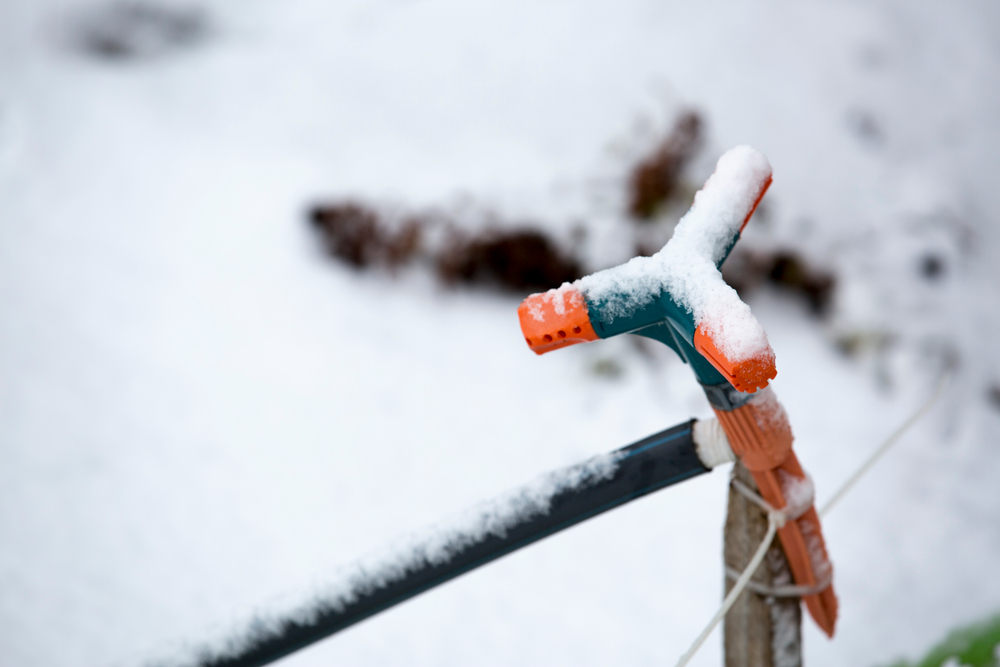
Fall on the South Plains can shift from warm afternoons to freezing nights quickly. For Lubbock property owners, that temperature swing can leave irrigation valves, backflow components, and exposed piping vulnerable if water remains trapped in the system.
Quick answer: Winterizing a Lubbock irrigation system means shutting down unnecessary watering, protecting exposed components, draining vulnerable areas, and determining whether compressed-air blowout is appropriate for the system. The National Weather Service lists October 31 as Lubbock’s average first fall freeze, but freezes have historically occurred earlier. Preparing before freezing weather arrives is safer than waiting for the first cold night.
What local property owners should know
-
Irrigation winterization should be completed before a significant freeze, not after exposed components have already frozen.
-
Lubbock’s average first fall freeze is October 31 according to National Weather Service climate records, making October an important preparation month.
-
South Plains wind can increase exposure around above-ground pipes, valves, and backflow equipment.
-
Simply turning off the irrigation controller does not necessarily remove water trapped inside vulnerable components.
-
Compressed-air blowouts require the correct pressure and procedure for the specific system, so they are not automatically a safe DIY project.
Why Irrigation Winterization Matters in Lubbock
Irrigation winterization matters in Lubbock because freezing temperatures can damage water-filled components even after the lawn’s regular watering season has slowed down. Above-ground assemblies and other exposed parts are especially important to protect before a strong cold front reaches the South Plains.
The National Weather Service reports an average first fall freeze of October 31 for Lubbock, while its historical records include a first freeze as early as October 7. That variation is a good reason to prepare based on seasonal risk rather than a single calendar date.
Properties around Lubbock County, Wolfforth, Shallowater, and the broader South Plains also deal with persistent wind and exposed landscapes. Components sitting above grade or in poorly protected locations can be more vulnerable than buried irrigation lines.
At Jet Landscape And Irrigation, we help local property owners address irrigation needs with the realities of West Texas landscapes in mind. For winter preparation, our focus is identifying vulnerable components and determining the appropriate shutdown and freeze-protection approach for the individual system.
Local Freeze Data and Seasonal Timing
The best time to winterize is before Lubbock reaches its typical late-October first freeze, while still allowing for the possibility of earlier cold weather. National Weather Service records place the average first fall freeze on October 31 and show that an October freeze can arrive considerably earlier.
Texas A&M AgriLife Extension also advises Texans to prepare vulnerable pipes before freezing weather and notes that direct wind exposure can accelerate freezing.
For local homeowners, that makes early to mid-October a sensible time to inspect the irrigation system and plan winterization. Waiting until a freeze warning is issued can leave little time to find damaged insulation, exposed valves, or other problems.
How Freezing Weather Can Affect Your Irrigation System
Freezing weather can damage irrigation components when trapped water expands inside confined spaces. The resulting stress may crack fittings, damage valves, affect backflow equipment, or create leaks that do not become obvious until the system is used again.
That can turn a fall maintenance issue into a spring repair problem. A damaged component may leak when irrigation resumes, while an underground problem can contribute to soggy areas, poor pressure, or uneven sprinkler performance.
In neighborhoods such as Tech Terrace, Raintree, and areas near LakeRidge, system layouts and equipment ages can vary widely. Winterization should account for the actual design and exposed components rather than relying on one procedure for every property.
Warning Signs Your System Needs Attention Before Winter
Warning signs before winter include exposed water-filled components, existing leaks, damaged insulation, and irrigation equipment that does not shut down correctly. Addressing these conditions before a freeze can reduce the chance of discovering additional damage later.
Watch for:
-
Cracked, loose, or deteriorated insulation around exposed piping.
-
Water dripping from valves, fittings, or backflow-related components.
-
Sprinkler zones that continue running after they should shut off.
-
Valve boxes holding standing water.
-
Visible cracks or previous repairs around exposed irrigation equipment.
-
Unusual pressure changes between sprinkler zones.
-
A controller that has not been adjusted from its summer schedule.
-
Above-ground piping that is directly exposed to West Texas wind.
When to Call an Irrigation Professional
Professional irrigation service is appropriate when winterization involves compressed air, unfamiliar valves, backflow components, existing leaks, or uncertainty about how the system was installed. Homeowners can inspect visible equipment and adjust controller settings, but incorrect pressure or valve operation can damage irrigation components.
A blowout is not simply a matter of connecting a large compressor and forcing air through the sprinkler heads. The system configuration, air volume, pressure, zones, and components all matter.
If you recently purchased a home in Lubbock County and do not know the irrigation layout, a professional inspection can also help identify shutoffs and vulnerable components before freezing weather arrives.
Common Local Causes of Freeze Damage
The most common local freeze risks involve trapped water, exposed equipment, inadequate protection, and delayed winterization. Lubbock’s temperature swings and open South Plains conditions can make these weaknesses more noticeable during cold weather.
1. Water trapped in exposed components: Water left inside vulnerable valves, fittings, or assemblies can freeze and expand.
2. Missing or deteriorated insulation: Old insulation may split, loosen, or leave sections of pipe exposed.
3. Waiting for the first hard freeze: A sudden cold front can arrive before a property owner has prepared the system.
4. Improper blowout procedures: Excessive compressed-air pressure can create a different type of system damage.
5. Existing irrigation problems: A small fall leak or malfunction may become a larger issue after winter weather.
Fall Irrigation Prevention and Maintenance
Fall irrigation maintenance should focus on reducing unnecessary watering, inspecting exposed components, protecting vulnerable equipment, and completing any needed winterization before freezing weather. October is a practical month for Lubbock property owners to make these checks.
Start by reviewing the controller as turf and landscape water demand decreases. Walk the property and inspect valve boxes, visible piping, sprinkler heads, and exposed assemblies. Look for leaks, broken components, missing covers, and deteriorated insulation.
Do not assume that shutting off the controller completely winterizes the system. Likewise, avoid using compressed air unless you understand the system’s requirements and can perform the procedure safely.
What to Expect After Proper Winterization
Proper winterization should leave vulnerable irrigation components better protected from freeze conditions and the system ready for an orderly spring startup. It cannot guarantee that no winter damage will occur, but it addresses preventable risks associated with trapped water and exposed equipment.
When warmer weather returns, the system should still be inspected before returning immediately to a full watering schedule. A spring startup provides an opportunity to check pressure, valves, sprinkler heads, coverage, and leaks that may have developed over winter.
Common Winterization Mistakes
The biggest winterization mistakes are waiting too long, assuming the controller is the only concern, and using compressed air incorrectly. Each can create avoidable problems for a West Texas irrigation system.
Mistake: Waiting for a freeze warning.
Consequence: There may not be enough time to inspect or service vulnerable equipment.
Better approach: Prepare during October and monitor South Plains forecasts.
Mistake: Only switching the controller off.
Consequence: Water may remain in exposed or vulnerable components.
Better approach: Evaluate the complete irrigation system.
Mistake: Using excessive compressed air.
Consequence: Pressure can damage components.
Better approach: Use the correct procedure for the specific system or schedule professional service.
Mistake: Ignoring a small existing leak.
Consequence: Winter conditions can complicate an already damaged system.
Better approach: Repair known irrigation problems before seasonal shutdown.
A Common Lubbock Irrigation Scenario
A common Lubbock scenario is a homeowner who stops watering in fall and switches off the controller but leaves exposed irrigation components unchanged. A strong cold front then pushes overnight temperatures below freezing while water remains inside vulnerable parts.
The homeowner may not notice a problem immediately. When the system starts again in spring, a leak, pressure issue, or damaged fitting becomes apparent.
This is not a case study of a specific customer. It illustrates why fall winterization involves more than changing the controller setting.
Irrigation Services That Support Freeze Protection
Irrigation inspection, repair, seasonal shutdown, and appropriate winterization services can help address freeze-related risks before cold weather arrives. The right service depends on the design, condition, and exposed components of the property’s irrigation system.
We can evaluate irrigation concerns and help determine which steps are appropriate for the system rather than applying the same procedure to every property.
DIY Winterization vs. Professional Service
DIY winterization works best for basic visual checks and controller adjustments, while professional service is the better choice when the process involves compressed air, system diagnosis, repairs, or unfamiliar components. The decision should be based on system complexity rather than convenience alone.
Homeowners can safely look for visible leaks, inspect insulation, clear obvious debris, and review controller schedules. Professional help becomes more valuable when a valve will not close, equipment is leaking, the system layout is unknown, or a blowout is needed.
Irrigation Winterization Service Areas
Our irrigation work serves Lubbock and surrounding communities where West Texas freeze conditions can affect residential and commercial landscapes. Property owners in nearby areas such as Wolfforth and Shallowater should also prepare irrigation equipment before seasonal freezes.
Across Lubbock County and the South Plains, the goal is the same: address vulnerable irrigation components before cold weather creates an avoidable repair.
The Cost of Ignoring Freeze Protection
Ignoring freeze protection can turn a manageable fall maintenance task into damaged fittings, leaking valves, backflow-related problems, or spring irrigation repairs. The exact repair cost depends on what freezes, where the damage occurs, and how easily the affected component can be accessed.
Hidden damage can also waste water once irrigation resumes. A spring leak may continue until someone notices unusual runoff, soggy soil, low pressure, or poor sprinkler coverage.
FAQ About Winterizing Irrigation Systems in Lubbock
When should I winterize my irrigation system in Lubbock?
Plan irrigation winterization during October and before freezing weather arrives. The National Weather Service lists October 31 as the average first fall freeze for Lubbock, but historical freezes have occurred earlier. Checking the system in early to mid-October provides more preparation time.
Does every Lubbock sprinkler system need a blowout?
No, not every irrigation system necessarily requires the same blowout procedure. System design, drainage, exposed components, valves, and installation details all matter. A professional can determine whether compressed-air winterization is appropriate rather than assuming every property needs an identical service.
Can I winterize my sprinkler system myself?
You can handle basic tasks such as inspecting visible components and adjusting controller settings if you understand your system. Compressed-air blowouts and work involving unfamiliar valves or backflow equipment require greater care because incorrect operation or excessive pressure can damage irrigation components.
Why is wind important for irrigation freeze protection in West Texas?
Wind matters because exposed pipes and irrigation components can lose heat rapidly during cold conditions. Texas A&M AgriLife specifically recommends shielding vulnerable pipes from direct wind. That consideration is particularly relevant across the open, windy landscapes common around the South Plains.
Is turning off my irrigation controller enough before a Lubbock freeze?
No. Turning off the controller prevents scheduled watering, but it does not automatically remove water from vulnerable parts of the irrigation system. Exposed piping, valves, and other components should be evaluated separately so freeze protection addresses more than the electronic schedule.
What should I inspect after winter in Lubbock County?
Inspect the system for leaks, damaged sprinkler heads, valve problems, unusual pressure, and uneven coverage before returning to regular watering. A controlled spring startup can reveal winter-related problems without immediately placing the entire irrigation system back on its warm-season schedule.
Can a sprinkler freeze cause a leak that appears later?
Yes. Freeze-related damage may not become obvious until water pressure returns to the affected component. That is why spring startup should include an inspection for dripping fittings, unexpected wet areas, pressure changes, and sprinkler zones that do not operate normally.
Should commercial properties winterize irrigation systems too?
Yes. Commercial properties should evaluate irrigation freeze protection because damaged components can create leaks, landscape problems, and maintenance disruptions. Larger properties may also have more zones and components to inspect, making a planned fall shutdown especially useful before South Plains freezing weather.
Protect Your Irrigation System Before Lubbock’s Next Freeze
Fall preparation can reduce preventable freeze exposure and make spring irrigation startup easier. We can help you evaluate your system, identify vulnerable components, and determine the appropriate winterization approach for your property.