

How to Protect Your Lubbock Irrigation System from West Texas Drought & Hard Water Scaling
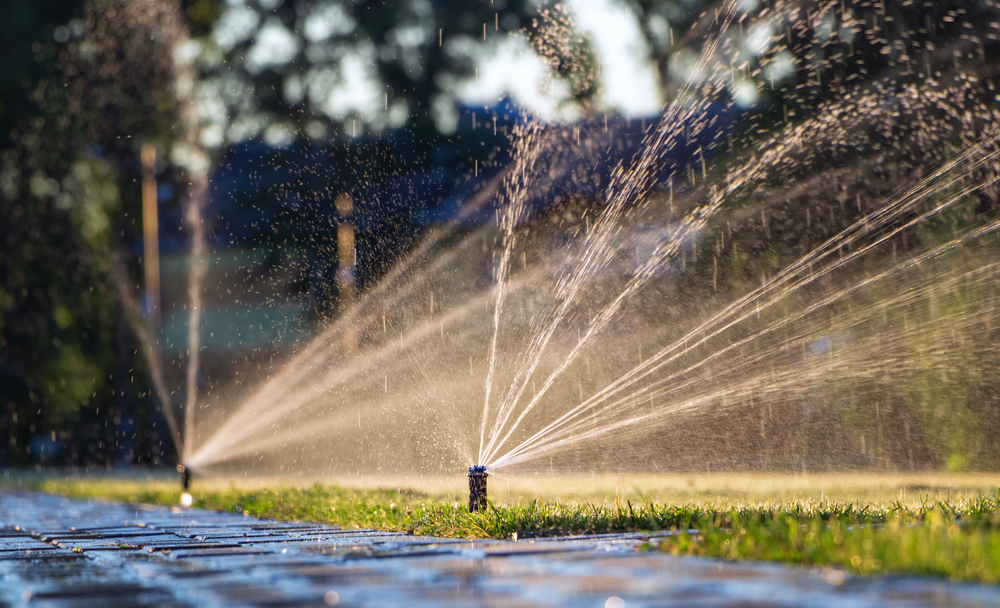
Hot, dry stretches on the South Plains can make a dependable sprinkler system feel essential, but running that system harder is not always the best answer. Mineral-rich water can gradually restrict sprinkler heads and valves at the same time drought conditions put additional pressure on lawns, planting beds, and irrigation equipment.
Quick answer: Protecting an irrigation system in Lubbock requires a combination of seasonal inspections, correct watering schedules, clean sprinkler nozzles, leak detection, pressure checks, and prompt attention to mineral buildup. Homeowners should watch for uneven spray patterns, white deposits, sticking valves, and dry areas rather than simply adding more watering time. Professional system checks can identify coverage, pressure, valve, and component problems before they waste significant water.
What local property owners should know
-
West Texas heat and irregular rainfall can expose weak irrigation coverage quickly, especially during prolonged dry periods.
-
The City of Lubbock’s 2025 Water Quality Report listed average water hardness at 169 parts per million, with reported results ranging from 81 to 244 ppm.
-
Properties in areas such as Tech Terrace, South Overton, Wolfforth, and Shallowater may have different landscape layouts, soil conditions, and irrigation demands.
-
Increasing sprinkler run time will not correct a clogged nozzle, broken head, leaking line, or poorly adjusted zone.
-
Checking the system before peak summer demand is usually easier than discovering a major coverage problem after turf and plants are already stressed.
Why Drought and Hard Water Matter to Local Irrigation Systems
Drought and hard water matter because they can create two different irrigation problems at the same time: landscapes need dependable moisture during dry periods while dissolved minerals can gradually interfere with the equipment delivering that water. In the South Plains, efficient distribution is especially important because wasted water may never reach the plants that need it.
National Weather Service climate normals show average annual precipitation of about 18.33 inches at Lubbock International Airport. The agency also describes the 1991-2020 climate period as warmer and drier than the previous 30-year normal.
Rainfall can also be highly uneven from one season to the next. For example, 2024 finished wetter than average overall, yet an exceptionally hot and dry second half of summer still stressed crops and vegetation across the region.
For Jet Landscape And Irrigation, that combination makes irrigation maintenance more than a matter of keeping grass green. We look at whether water is actually reaching the intended areas efficiently and whether the system is showing signs of wear, blockage, leakage, or poor adjustment.
What Local Water Data Says About Mineral Buildup
Local water data confirms that irrigation equipment is exposed to measurable concentrations of hardness minerals and dissolved solids, which means visible deposits around sprinkler components should not be ignored. The amount at an individual property can vary, but the municipal data provides useful context for understanding why mineral residue can appear over time.
The City of Lubbock’s 2025 Water Quality Report showed average hardness of 169 ppm, average calcium of 30 ppm, average magnesium of 23 ppm, and average total dissolved solids of 633 ppm. The report identifies hardness as naturally occurring and not regulated as a drinking-water contaminant.
Hard water itself does not automatically mean an irrigation system will fail. The practical concern is accumulation. As water repeatedly evaporates around exposed sprinkler openings and components, minerals can be left behind. Deposits may eventually contribute to restricted openings or interfere with moving parts.
How Drought and Scaling Affect Your Landscape
Drought and mineral scaling can reduce irrigation effectiveness by creating uneven watering, longer system run times, stressed plants, and unnecessary water loss. A zone may technically turn on while individual heads deliver weak, distorted, or incomplete patterns, leaving some parts of the landscape dry and others excessively wet.
On a lawn near Tech Terrace, that could appear as a dry strip between otherwise healthy sections of turf. On a larger property toward Wolfforth or southwest Lubbock County, poor pressure or a leaking zone might affect a much broader area before the problem becomes obvious.
The key is to evaluate distribution rather than assuming every dry spot requires more water.
Warning Signs Your Irrigation System Needs Attention
The clearest warning signs are changes in spray pattern, pressure, coverage, or water use that cannot be explained by normal seasonal adjustments. During a West Texas dry spell, these symptoms can become noticeable quickly because plants have less rainfall available to compensate for an irrigation system that is not performing correctly.
Watch for:
-
White or chalky deposits around sprinkler nozzles or exposed fittings.
-
Sprinkler heads that spray weakly, unevenly, or in an unexpected direction.
-
Heads that fail to rise fully or do not retract after watering.
-
Dry patches surrounded by otherwise adequately watered turf.
-
Standing water, soggy soil, or runoff near a particular head or valve box.
-
A zone that will not start, stop, or operate consistently.
-
Fine misting instead of an appropriate spray pattern, which may indicate a pressure or nozzle issue.
-
Water spraying onto sidewalks, driveways, fences, or streets instead of planted areas.
When to Call an Irrigation Professional
Call a professional when cleaning an accessible nozzle or making a simple controller adjustment does not restore normal coverage, or whenever the problem involves buried lines, valves, wiring, recurring pressure issues, or widespread mineral buildup. Repeatedly increasing watering time can hide the symptom temporarily while allowing the underlying problem to continue.
A homeowner can safely observe each zone, clear obvious surface debris, note damaged heads, and review controller settings.
Professional diagnosis becomes more useful when several heads perform poorly together, a valve will not operate properly, water appears where no head is running, or system pressure seems abnormal.
Common Local Causes of Irrigation Problems
The most common local irrigation problems generally come from mineral accumulation, heat exposure, mechanical damage, pressure or coverage problems, leaks, and seasonal scheduling that no longer matches the landscape’s needs. Conditions on the Llano Estacado can amplify small deficiencies because extended heat and wind increase landscape water demand.
1. Mineral buildup
Repeated exposure to mineral-containing water can leave deposits around sprinkler openings and other components.
2. Heat and dry weather
High summer demand can reveal coverage gaps that went unnoticed during cooler or wetter weather.
3. Damaged or misaligned heads
Mowers, vehicles, foot traffic, soil movement, and normal wear can knock heads out of alignment or damage them.
4. Hidden leaks
Underground leaks can reduce pressure and waste water without producing an obvious fountain at the surface.
5. Incorrect scheduling
A controller programmed for spring conditions may not be appropriate later in the season. The opposite is also true when cooler weather arrives.
Properties from Shallowater to Slaton can experience different conditions on the same day, so irrigation should respond to the actual site instead of relying solely on a calendar.
How to Prevent Drought and Hard Water Damage
The best prevention strategy is to inspect coverage regularly, keep sprinkler openings clean, repair leaks promptly, adjust watering by season, and correct equipment problems before compensating with longer run times. A short system test can reveal problems that are difficult to see when irrigation operates before sunrise.
Run each zone periodically and watch where the water lands. Look for clogged or damaged heads, runoff, unusual misting, poor overlap, and obvious leaks.
Before peak summer heat, check the entire system rather than waiting for brown areas to appear. Recheck it after mowing damage, landscaping work, freezes, or other events that may affect components.
During drought conditions, follow current rules from your applicable water provider. The Texas Water Development Board notes that drought restrictions are administered locally, so requirements can change depending on the provider and drought stage.
DIY maintenance should stop when repairs require digging near unknown utilities, electrical troubleshooting, valve replacement, significant pressure diagnosis, or repeated component failures.
What Results Should You Expect From Irrigation Maintenance?
Effective irrigation maintenance should improve consistency and help the system put water where the landscape needs it, but it cannot eliminate drought, change local water chemistry, or guarantee that every stressed plant will recover. The realistic goal is dependable operation, appropriate coverage, less avoidable waste, and earlier detection of developing problems.
After appropriate cleaning, adjustment, or repair, homeowners may notice more uniform spray patterns, fewer dry gaps, less overspray, and more predictable zone performance.
If an older system has recurring failures across multiple components, continued spot repairs may not always be the most practical long-term option.
Common Irrigation Mistakes During West Texas Drought
The biggest mistake is treating every brown spot as proof that the entire yard needs more watering, because a localized equipment problem can be the real cause. Increasing every zone’s run time can create runoff or overwatering elsewhere while the clogged, damaged, or poorly aimed sprinkler continues missing its intended area.
Mistake: Increasing run time without testing the zone.
Consequence: More water may be wasted while the dry area remains dry.
Better approach: Observe the zone first and verify coverage.
Mistake: Ignoring white mineral deposits.
Consequence: Deposits may continue accumulating around small openings or moving components.
Better approach: Inspect and clean serviceable components before buildup becomes severe.
Mistake: Using one schedule all year.
Consequence: Watering may not match changing temperatures, rainfall, or plant demand.
Better approach: Review controller settings seasonally.
A Common Local Irrigation Scenario
A common local scenario is a homeowner who notices a widening brown area during a hot, windy period and responds by increasing the watering time for the entire zone. When the system is actually tested, one or more heads may have weak spray, poor alignment, damage, or restricted openings that prevent proper coverage.
The better solution is to identify the delivery problem first.
This situation can occur in established neighborhoods as well as newer development areas around southwest Lubbock and nearby Wolfforth. Landscape age, plant selection, construction activity, and system design can all influence what needs attention.
Related Irrigation Service Solutions
Professional irrigation service can address the underlying mechanical and coverage issues that routine homeowner observation cannot resolve. Depending on the system, that may involve diagnosing malfunctioning zones, repairing damaged heads or lines, addressing valve problems, correcting coverage, reviewing system operation, or identifying components affected by buildup or wear.
At Jet Landscape And Irrigation, we can evaluate the irrigation problem and explain practical service options based on what the system is actually doing.
Comparing DIY Maintenance and Professional Irrigation Service
DIY checks work well for observation and minor upkeep, while professional service is the better option when troubleshooting requires system diagnosis, buried-component repairs, valve or wiring work, or repeated corrections. Choosing between them should depend on the problem rather than on how dry the lawn appears.
| Option | Best For | Limitations |
|---|---|---|
| DIY system check | Watching zones, checking controller settings, spotting overspray, clearing simple surface debris | Does not diagnose many buried, electrical, valve, or pressure problems |
| Minor professional repair | Individual damaged heads, local leaks, valve issues, specific coverage problems | May not solve broader problems in an aging system |
| Comprehensive system evaluation | Multiple symptoms, recurring failures, widespread coverage concerns | May lead to recommendations for several repairs or upgrades |
Service Areas
Our irrigation services are focused on Lubbock and surrounding South Plains communities where drought, heat, wind, and mineral-rich water can all influence landscape performance. Nearby property owners in communities such as Wolfforth, Shallowater, and Slaton can face many of the same seasonal irrigation challenges.
Service availability for a specific address can be confirmed when scheduling.
The Cost of Ignoring Irrigation Problems
Ignoring an irrigation problem can increase water waste, landscape stress, and the likelihood that a small component issue develops into a more disruptive repair. During a dry West Texas period, delayed repairs can also leave turf, trees, or planting beds without reliable coverage precisely when natural rainfall is least dependable.
A leaking line may continue losing water. A clogged head may leave the same area dry every cycle. An incorrectly aimed sprinkler may keep watering pavement instead of plants.
Early diagnosis is usually more useful than repeatedly changing the controller to compensate.
Frequently Asked Questions About Local Irrigation Systems
How often should I inspect my irrigation system in Lubbock?
Inspect the system periodically throughout the watering season and whenever you notice changes in landscape appearance or sprinkler performance. A full zone-by-zone check before peak summer heat is particularly useful. Additional checks after landscaping work, mowing damage, freezes, or extended periods without operation can catch damaged or misaligned components early.
Does Lubbock have hard water?
Yes, municipal reporting shows measurable water hardness, although the exact level can vary. The City of Lubbock’s 2025 Water Quality Report listed average hardness at 169 ppm and a range from 81 to 244 ppm. Hardness is naturally occurring and is not listed in that report as a regulated contaminant.
Can hard water clog sprinkler heads?
Mineral deposits can accumulate around small irrigation openings and may contribute to restricted or distorted spray over time. If a sprinkler begins producing a noticeably different pattern, inspect it for surface debris, deposits, physical damage, and other possible causes rather than assuming mineral buildup is the only explanation.
Should I run my sprinklers longer during a Lubbock drought?
Not automatically. First verify that every zone is operating correctly and delivering water evenly. A broken head, leak, clogged nozzle, or poor spray pattern will not necessarily improve because the controller runs longer. Any watering changes should also follow the current requirements of the property’s local water provider.
Why does part of my yard stay dry while the rest looks healthy?
A localized dry area often points to a coverage or delivery problem rather than insufficient watering across the entire property. Check nearby heads for blocked spray, poor alignment, weak pressure, damaged components, or inadequate overlap. Wind on the South Plains can also affect where fine sprinkler spray lands.
Can I clean mineral deposits from sprinkler heads myself?
Light, accessible buildup may be suitable for basic homeowner maintenance if the component can be serviced safely and according to its design. Stop if a head remains restricted, repeatedly clogs, requires disassembly you are unfamiliar with, or appears damaged. Recurring problems may indicate a broader system issue worth evaluating professionally.
Are drought conditions common enough to plan irrigation maintenance around them?
Yes, drought variability is part of the regional climate and should be considered in landscape planning. National Weather Service records show significant swings between wet and dry periods on the South Plains, including drought development during portions of recent years. Maintaining efficient coverage helps a system perform more reliably when rainfall becomes limited.
When should I schedule irrigation service before summer?
Scheduling before the hottest part of the season gives you time to identify leaks, damaged heads, malfunctioning zones, or coverage problems before landscape demand peaks. Spring is a practical time for a full operational check, but problems noticed later in the season should still be addressed instead of waiting for cooler weather.
Protect Your Landscape With More Reliable Irrigation
A well-maintained irrigation system cannot control the West Texas weather or remove minerals from the local water supply, but it can deliver water more effectively and make developing problems easier to catch.
For property owners in Lubbock and the surrounding South Plains, Jet Landscape And Irrigation can help identify irrigation issues and determine practical repair or maintenance options.
Keep Your Irrigation System Ready for West Texas Conditions
Get a clearer picture of your system’s coverage, condition, and repair needs before the next extended dry stretch.